
Category: Sin categoría
-
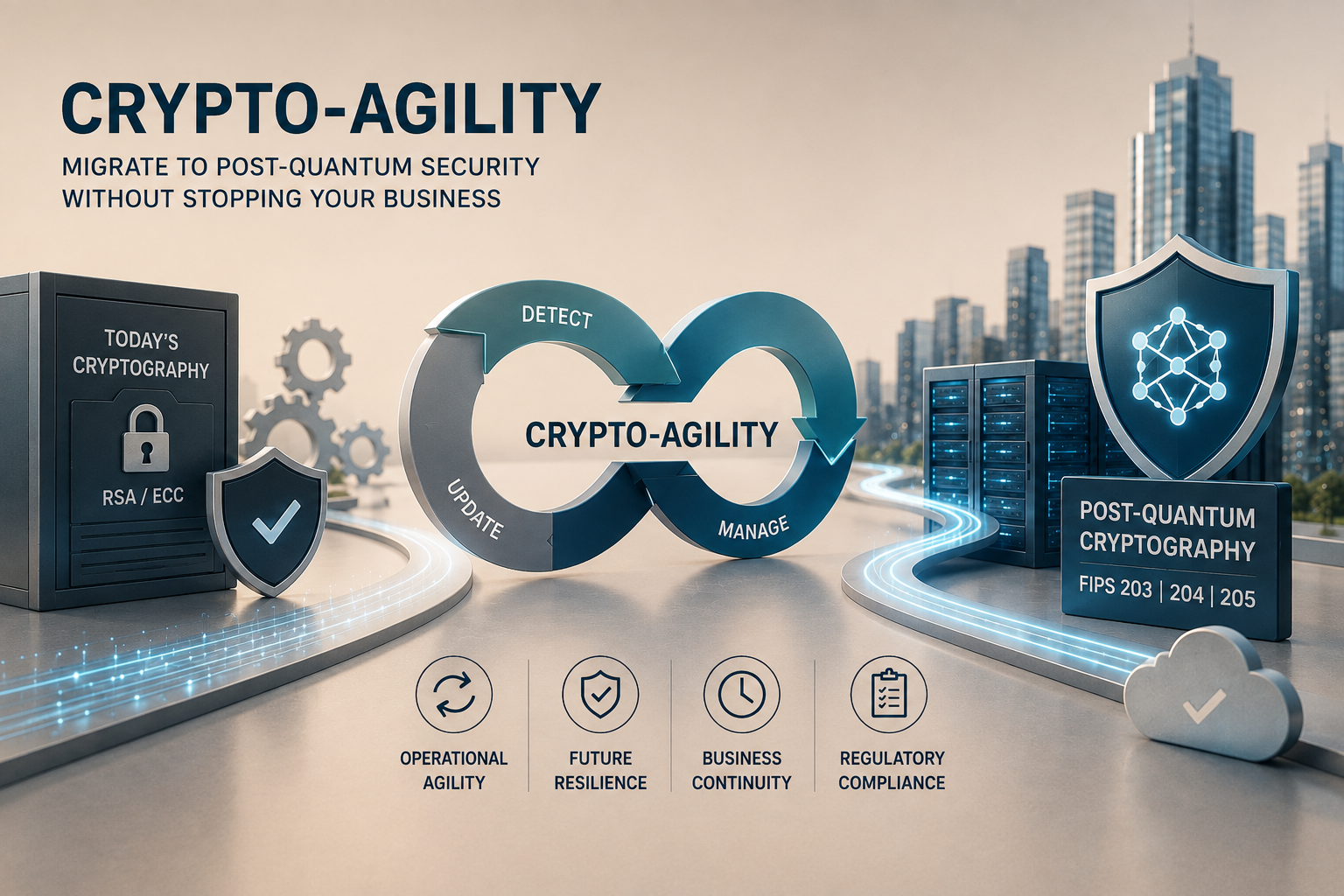
The Key Strategy for Migrating to Post-Quantum Security (PQC) Without Disrupting Business Operations
Crypto-agility is the ability of a security system to replace its cryptographic algorithms, keys and protocols quickly and automatically, without significantly altering the underlying infrastructure or disrupting business continuity. With the imminent arrival of post-quantum standards (FIPS 203, 204 and 205), crypto-agility is no longer a theoretical advantage and becomes an essential operational requirement for…
-
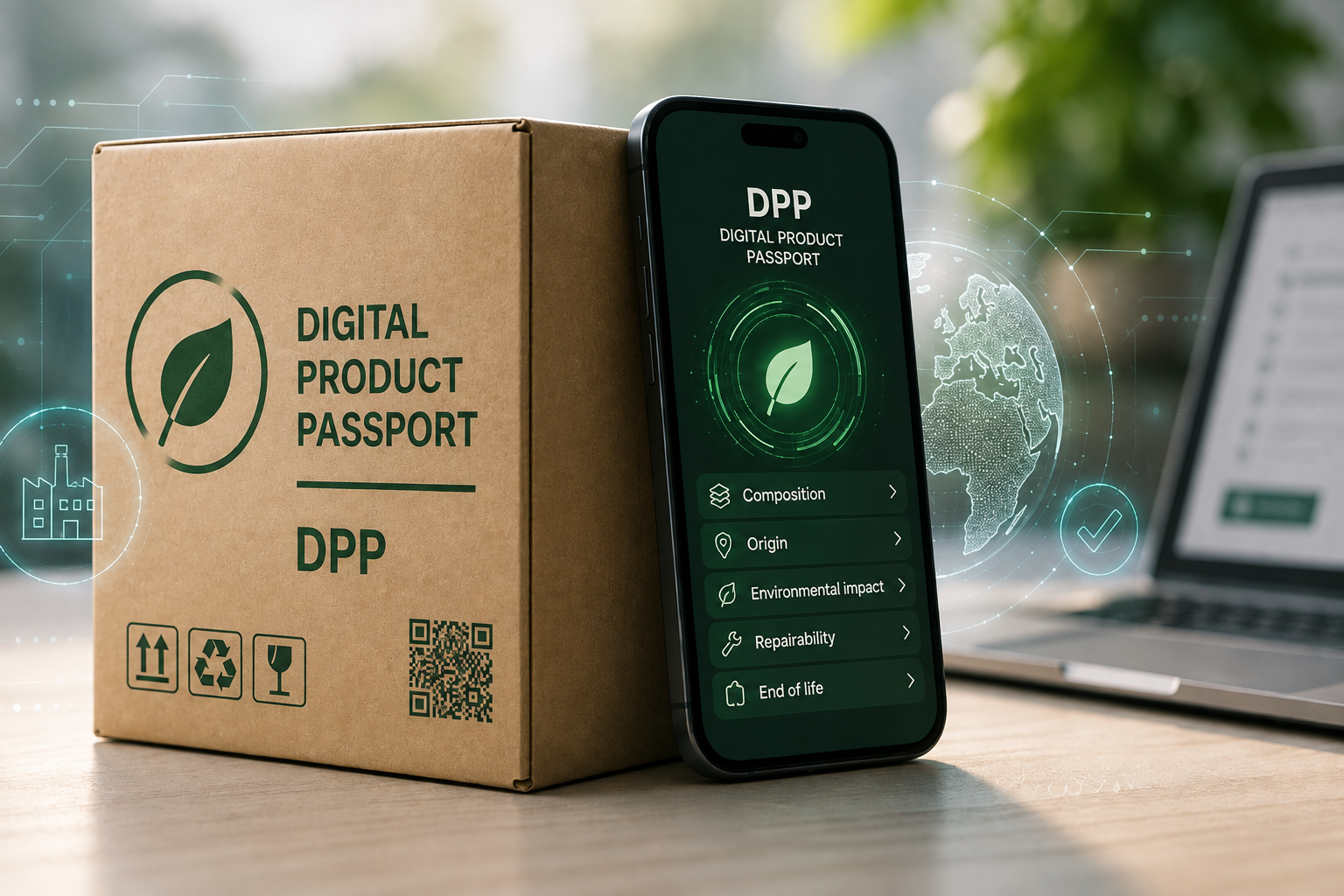
How to Prepare Your Company for the DPP
There is a way of interpreting the Digital Product Passport timeline that may seem reassuring: the first mandatory sector-specific DPPs, apart from the battery passport arriving in February 2027, will not become applicable until 2028-2029 for the most advanced sectors and until 2029-2031 for the others. A margin of two or three years. Enough time…
-
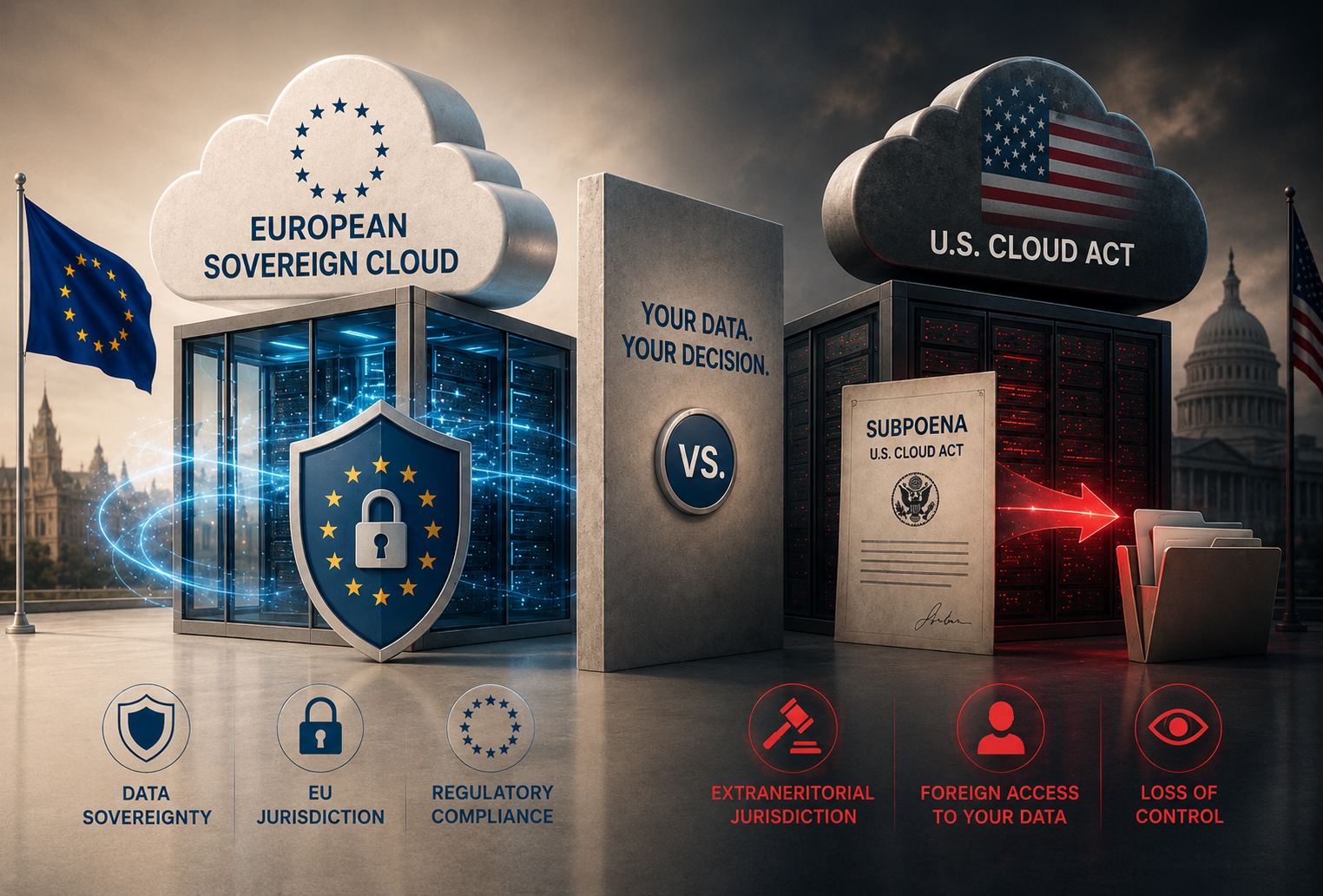
European Sovereign Cloud vs the US CLOUD Act: Why It Matters Where Your Data Is Stored
There is a conversation that many companies are not having with their cloud providers, but should have before signing their next software contract. The question is straightforward: if a US authority calls your cloud provider at three in the morning and requests access to your documents, what happens? If your provider is a US company:…
-
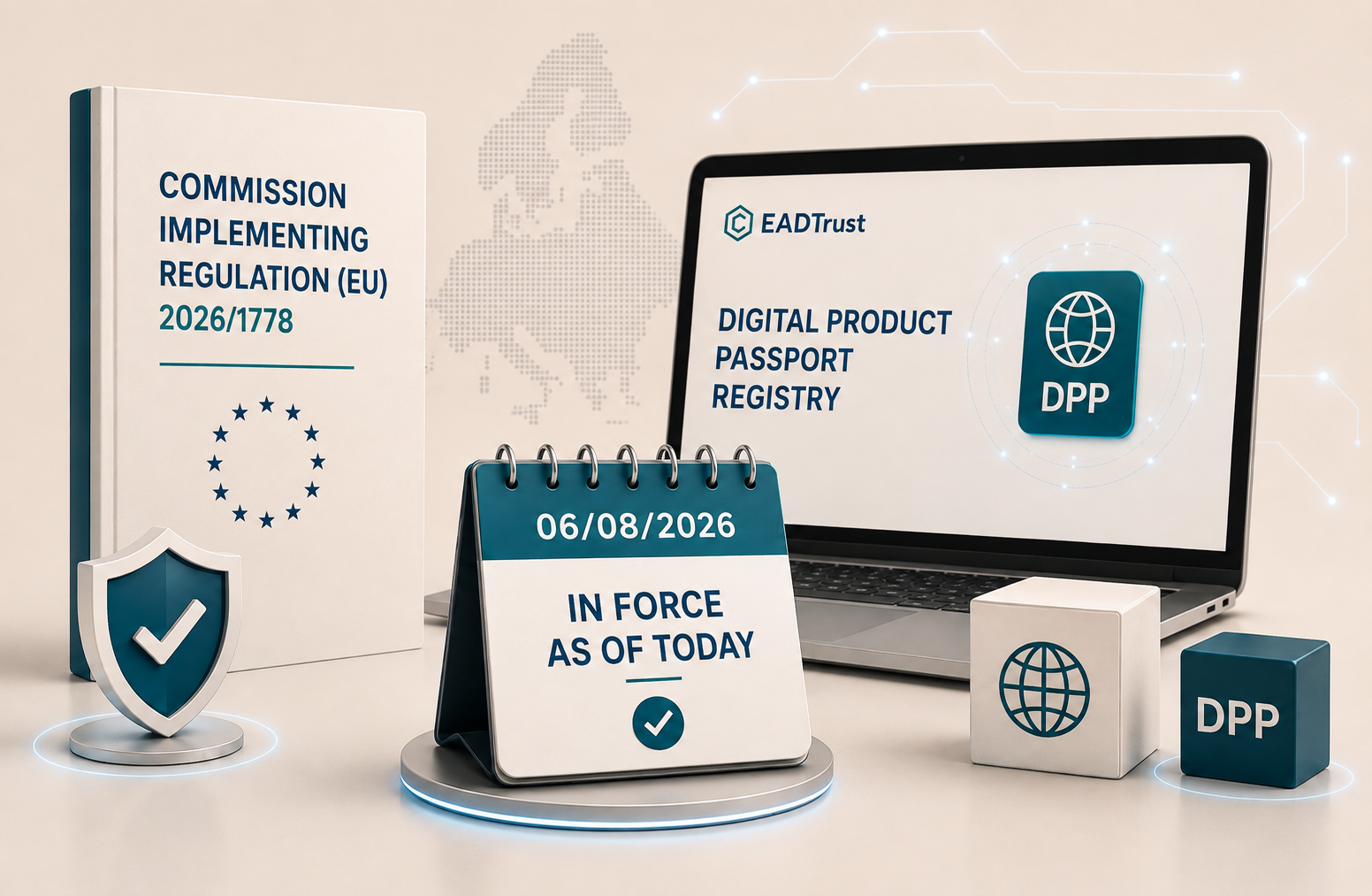
Regulation (EU) 2026/1778 in Force from Today: The Digital Product Passport Registry Becomes Operational
On 6 August 2026 (today), Commission Implementing Regulation (EU) 2026/1778 of 16 July 2026 enters into force, establishing the rules for implementing the Digital Product Passport (DPP) Registry created by Article 13 of Regulation (EU) 2024/1781 (ESPR). From this moment onwards, the technical rules determining how the identity of economic operators is verified, how passports…
-
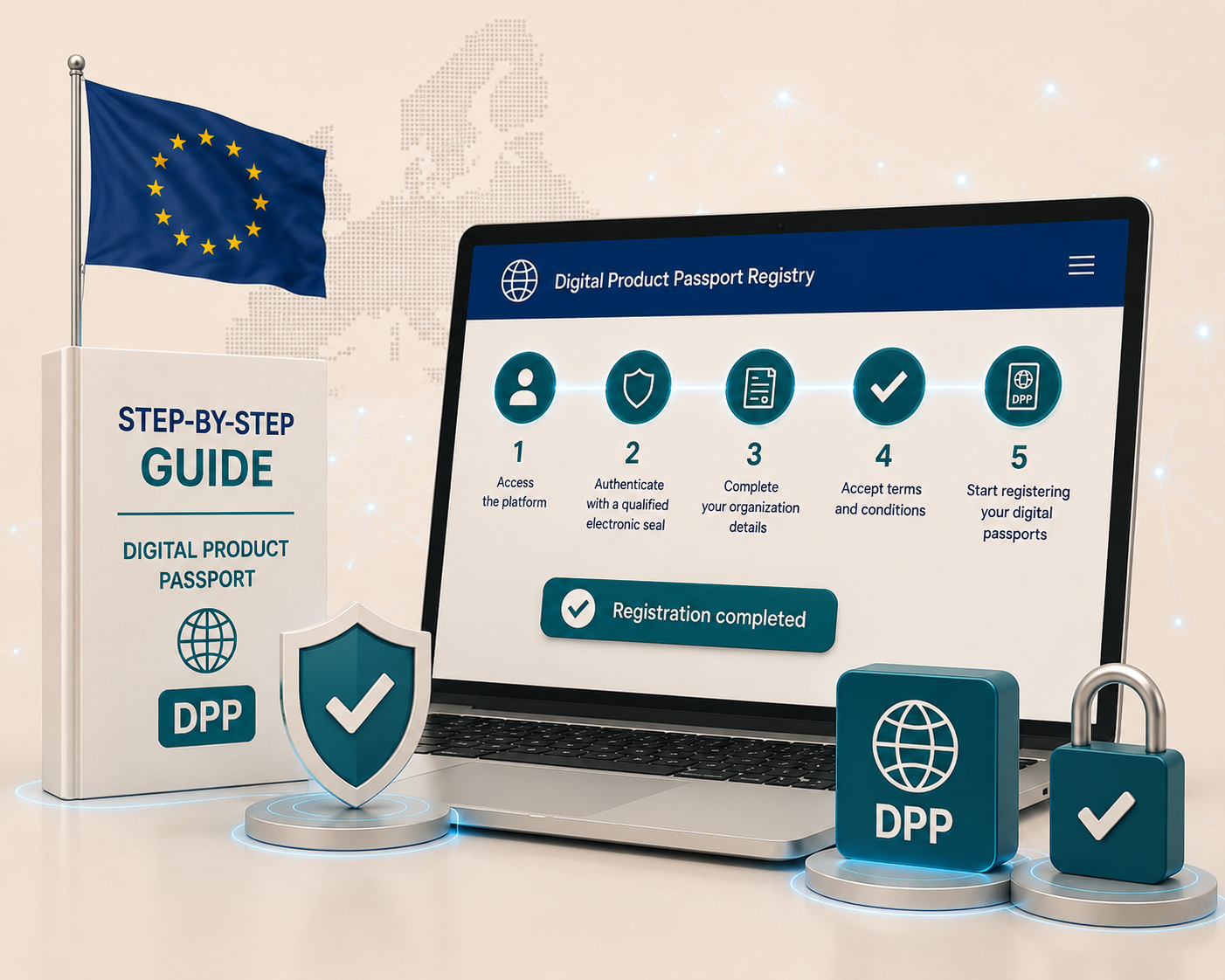
How to Register for the Digital Product Passport: Step-by-Step Guide
If you already know that the Digital Product Passport Registry is operational and that you need a qualified electronic seal to access it, the next question is natural: what now? This article covers the entire process, from accessing the platform to the moment when you can start registering digital passports. Everything is based on the…
-
The Digital Product Passport Registry Is Now Operational: What It Means for Your Company
On 20 July 2026, the European Commission opened access to the Digital Product Passport Registry. It is not a statement of intent or a working plan: it is a real platform, currently available at registry.product-passport.ec.europa.eu, managed by the Directorate-General for Internal Market, Industry, Entrepreneurship and SMEs (DG GROW). We have spent months talking about the…
-
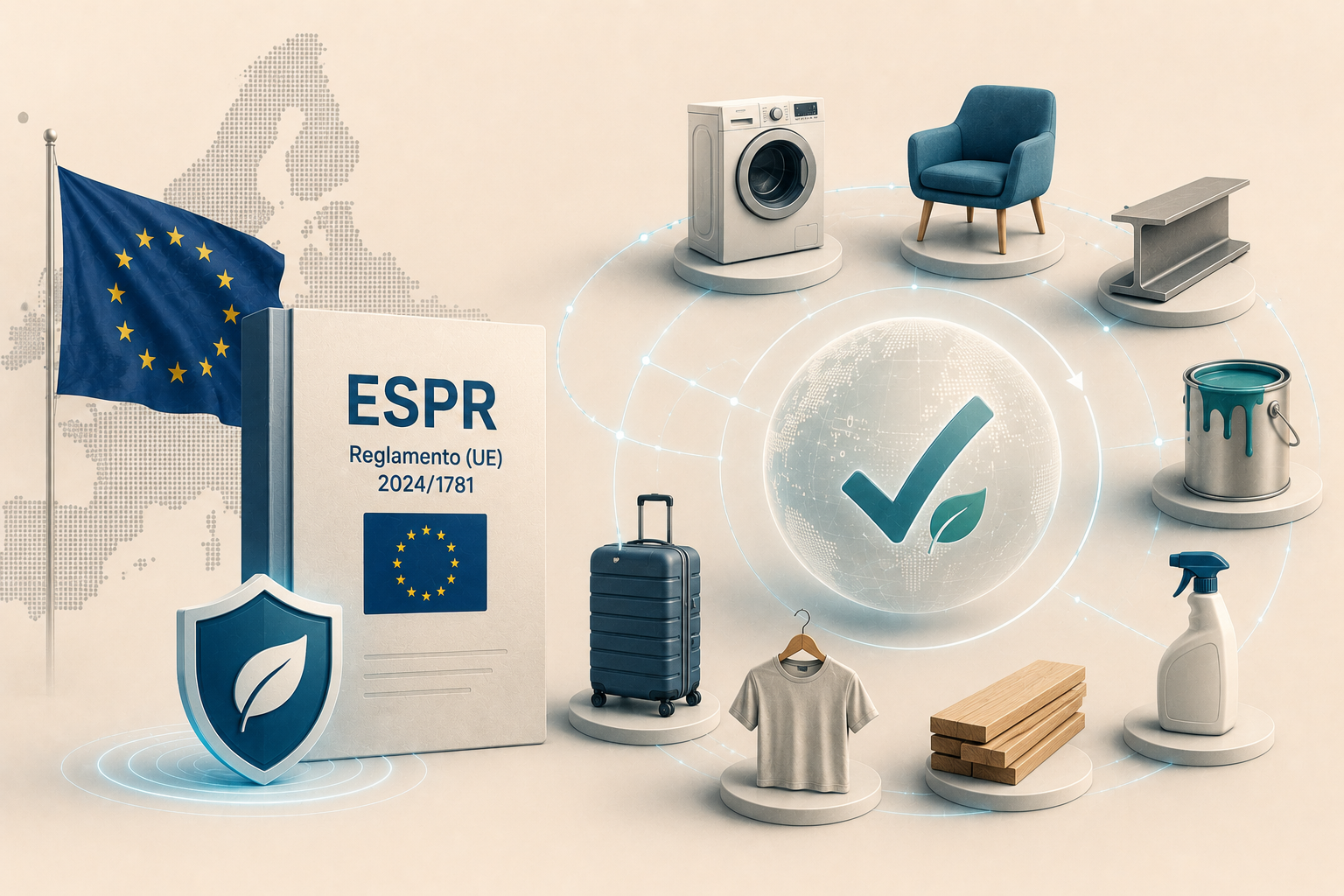
Which Products Does the ESPR Apply To?
The short answer is the one that makes those who expected the ESPR to be an issue for other sectors most uncomfortable: it applies to almost all physical goods placed on the European market. Not only household appliances. Not only energy-consuming products. Almost all of them. Article 2 of Regulation (EU) 2024/1781 defines it with…
-
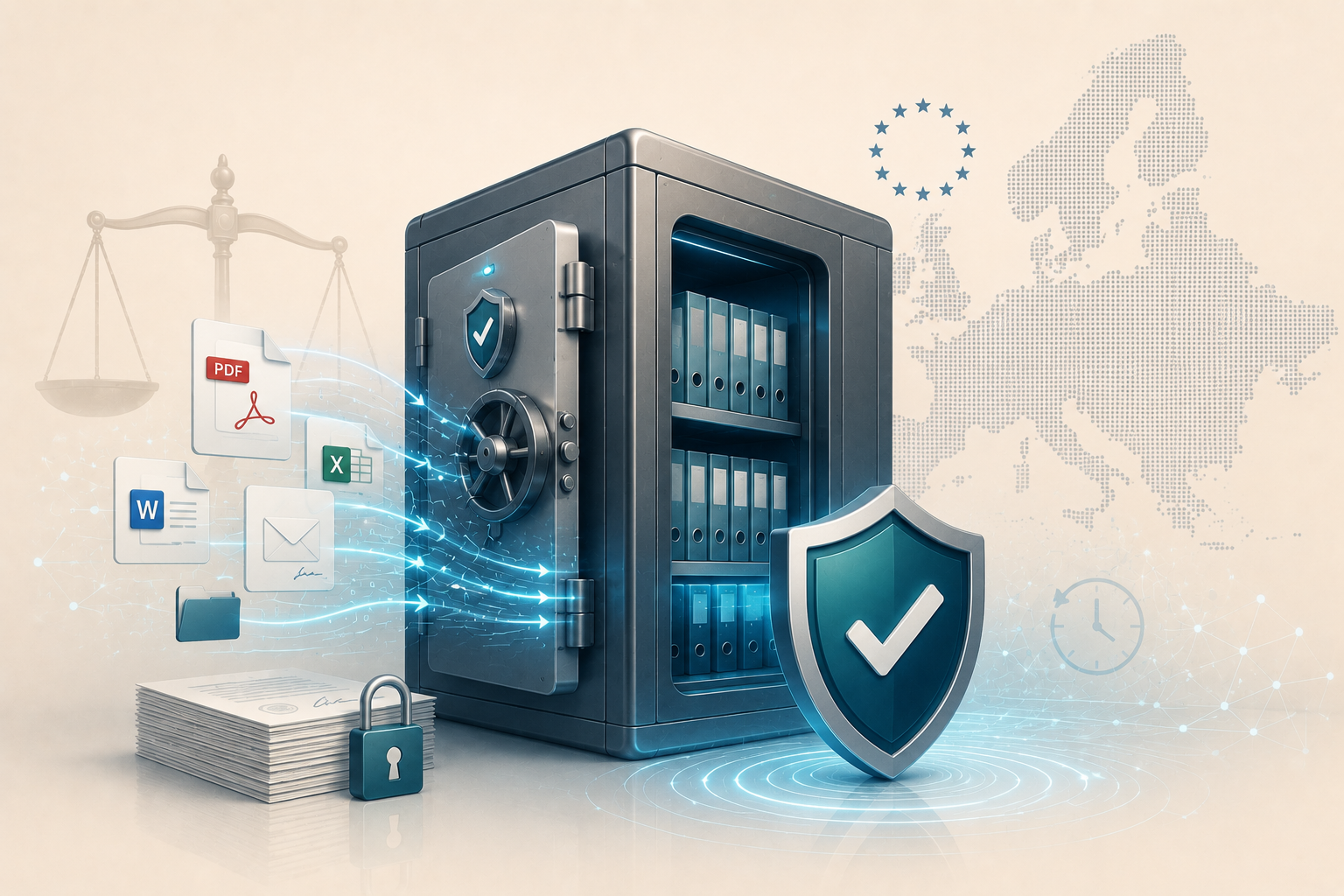
Qualified Electronic Archiving: What It Is, What It Guarantees and When You Need It
There is a difference that most companies have not yet understood. Storing a document is easy: any folder on a server can do it. Storing a document so that, ten years from now, you can prove before a court that it is authentic, that it has not been modified, that it has existed with exactly…
-
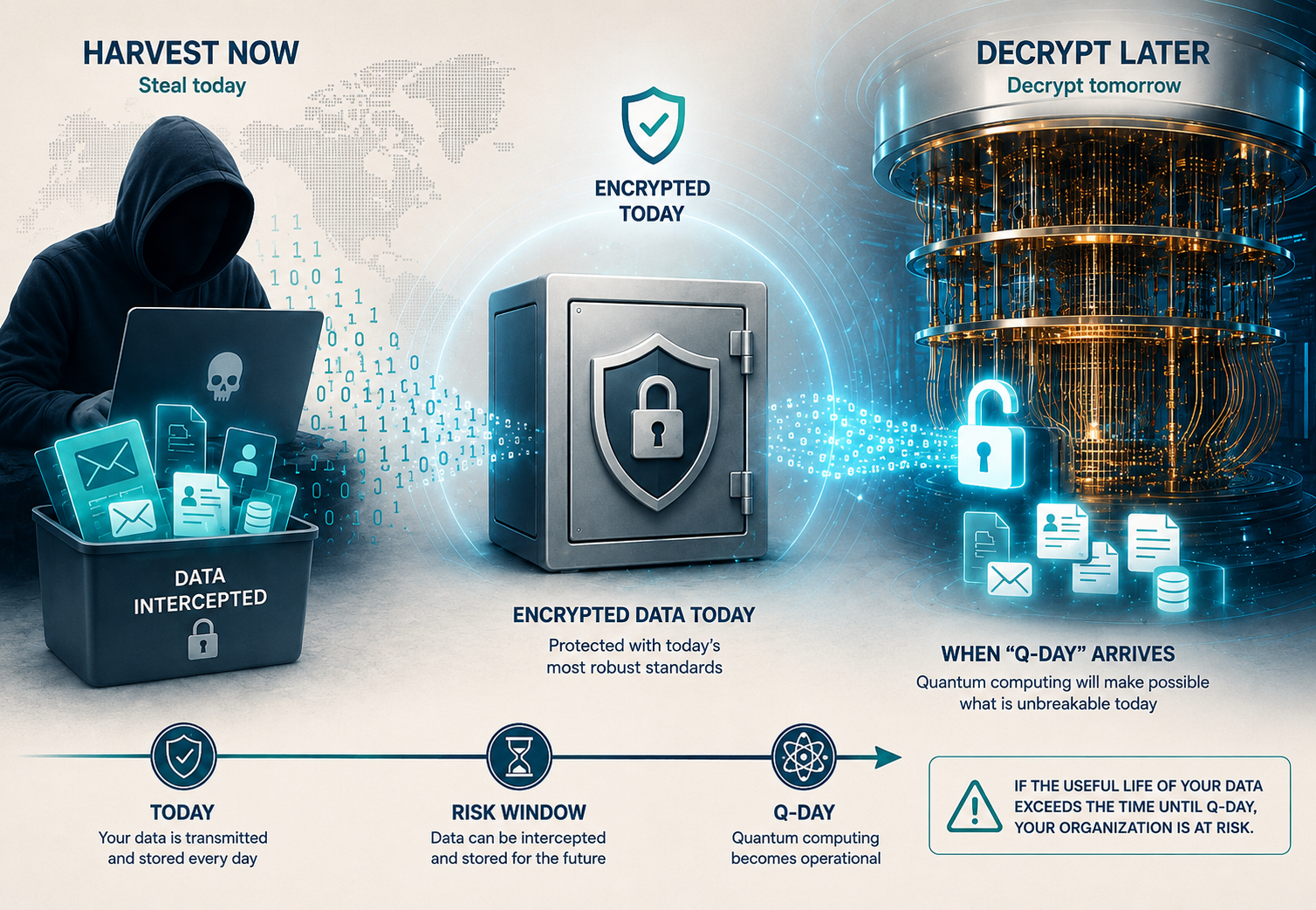
“Harvest Now, Decrypt Later” Threat: Is Your Encrypted Data Safe Today and for the Future?
Global cybersecurity is facing a temporal paradox: the data you protect today with the most robust standards may already be compromised by a technology that is not yet commercially viable. This phenomenon is known as “Harvest Now, Decrypt Later” (HNDL). For Chief Information Security Officers (CISOs), compliance officers and legal consultants, the question is no…
-
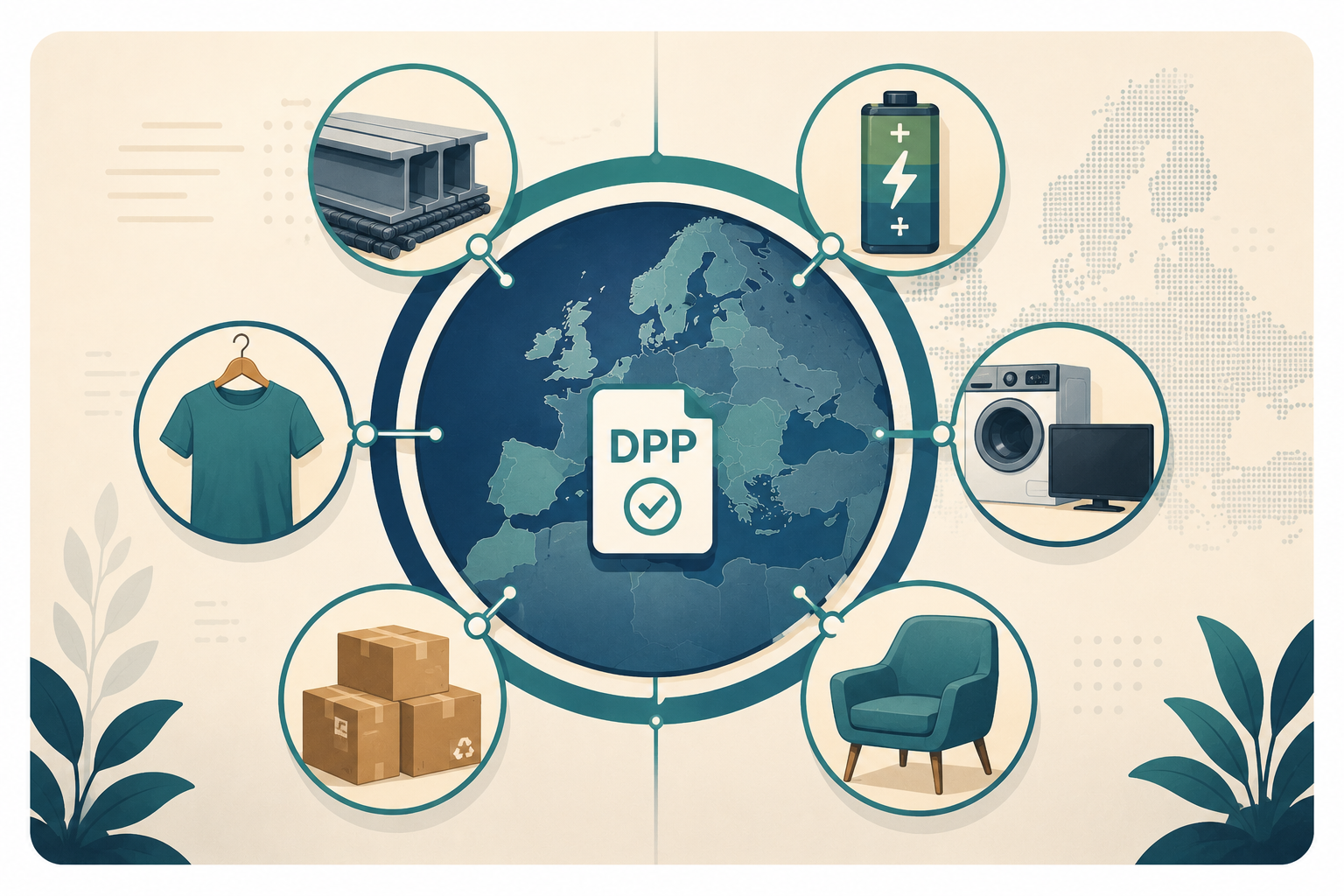
Which sectors will have DPP before 2030: the complete map
The Digital Product Passport is not arriving all at once. It is arriving sector by sector, with different deadlines, under different regulatory frameworks and with different content requirements. What all European DPPs have in common is the same underlying infrastructure: the European Commission’s Central Registry, unique identifiers, trust services that guarantee the authenticity of the…