
Author: Iria Benito
-
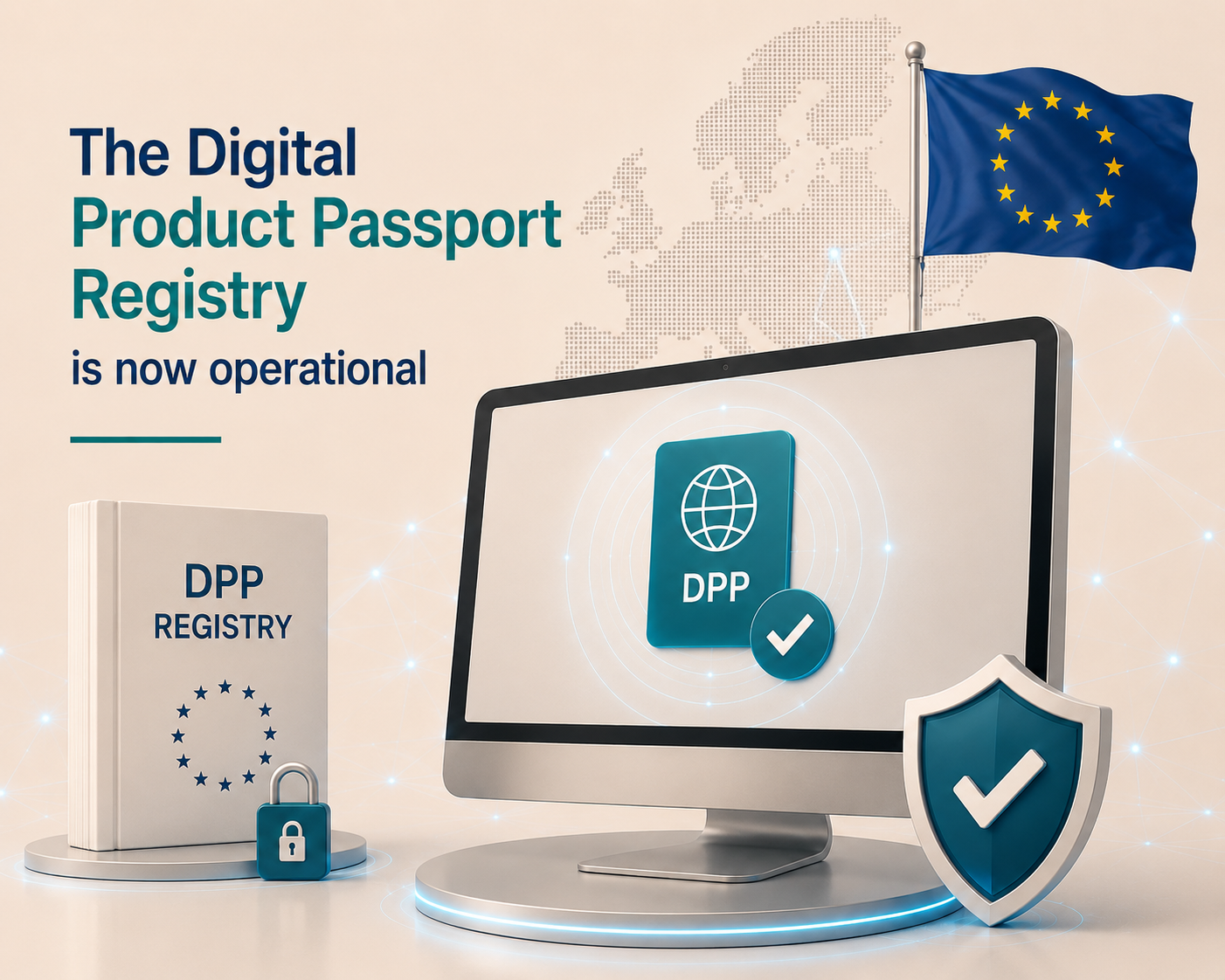
The Digital Product Passport Registry Is Now Operational: What It Means for Your Company
On 20 July 2026, the European Commission opened access to the Digital Product Passport Registry. It is not a statement of intent or a working plan: it is a real platform, currently available at registry.product-passport.ec.europa.eu, managed by the Directorate-General for Internal Market, Industry, Entrepreneurship and SMEs (DG GROW). We have spent months talking about the…
-
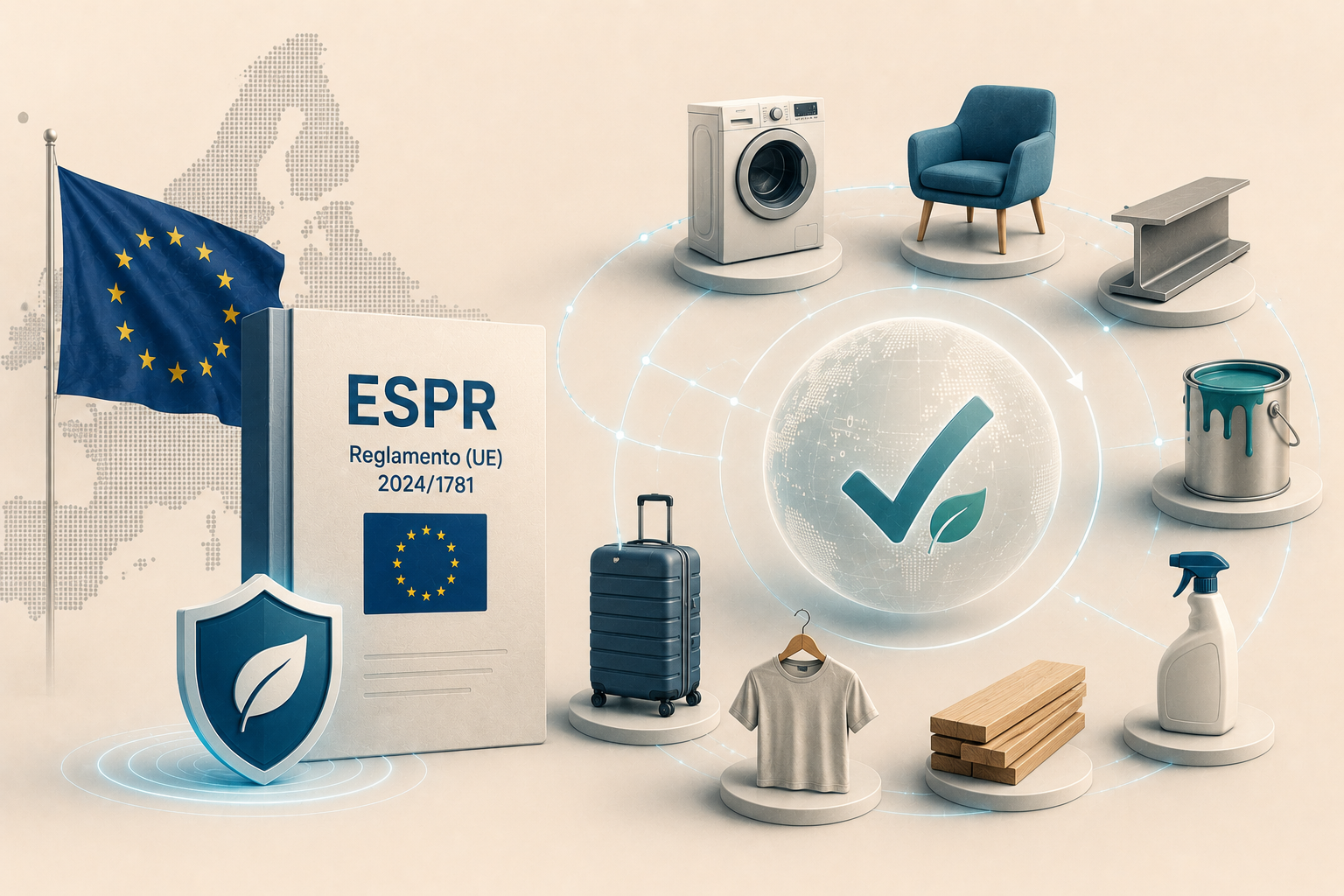
Which Products Does the ESPR Apply To?
The short answer is the one that makes those who expected the ESPR to be an issue for other sectors most uncomfortable: it applies to almost all physical goods placed on the European market. Not only household appliances. Not only energy-consuming products. Almost all of them. Article 2 of Regulation (EU) 2024/1781 defines it with…
-

Qualified Electronic Archiving: What It Is, What It Guarantees and When You Need It
There is a difference that most companies have not yet understood. Storing a document is easy: any folder on a server can do it. Storing a document so that, ten years from now, you can prove before a court that it is authentic, that it has not been modified, that it has existed with exactly…
-
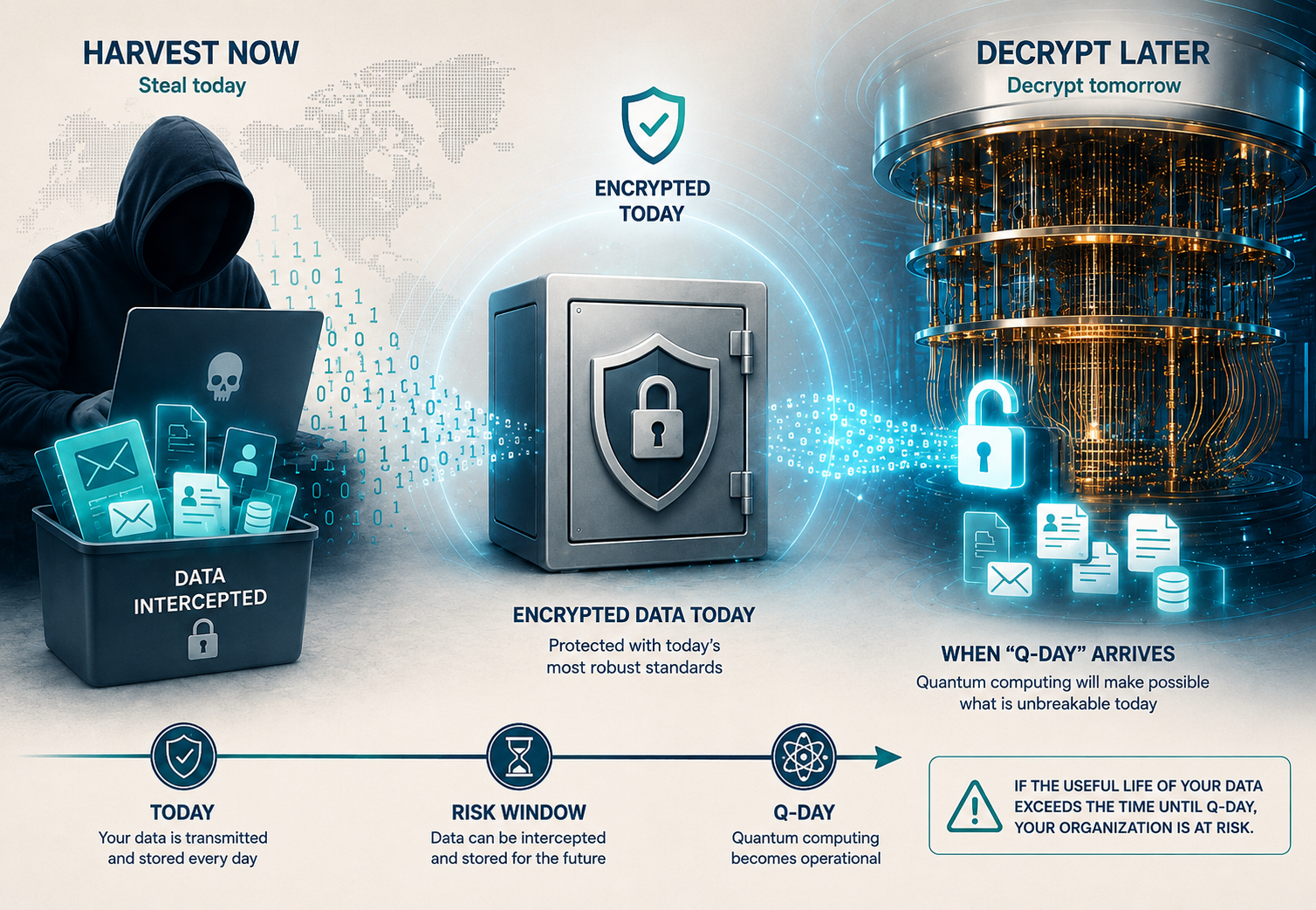
“Harvest Now, Decrypt Later” Threat: Is Your Encrypted Data Safe Today and for the Future?
Global cybersecurity is facing a temporal paradox: the data you protect today with the most robust standards may already be compromised by a technology that is not yet commercially viable. This phenomenon is known as “Harvest Now, Decrypt Later” (HNDL). For Chief Information Security Officers (CISOs), compliance officers and legal consultants, the question is no…
-
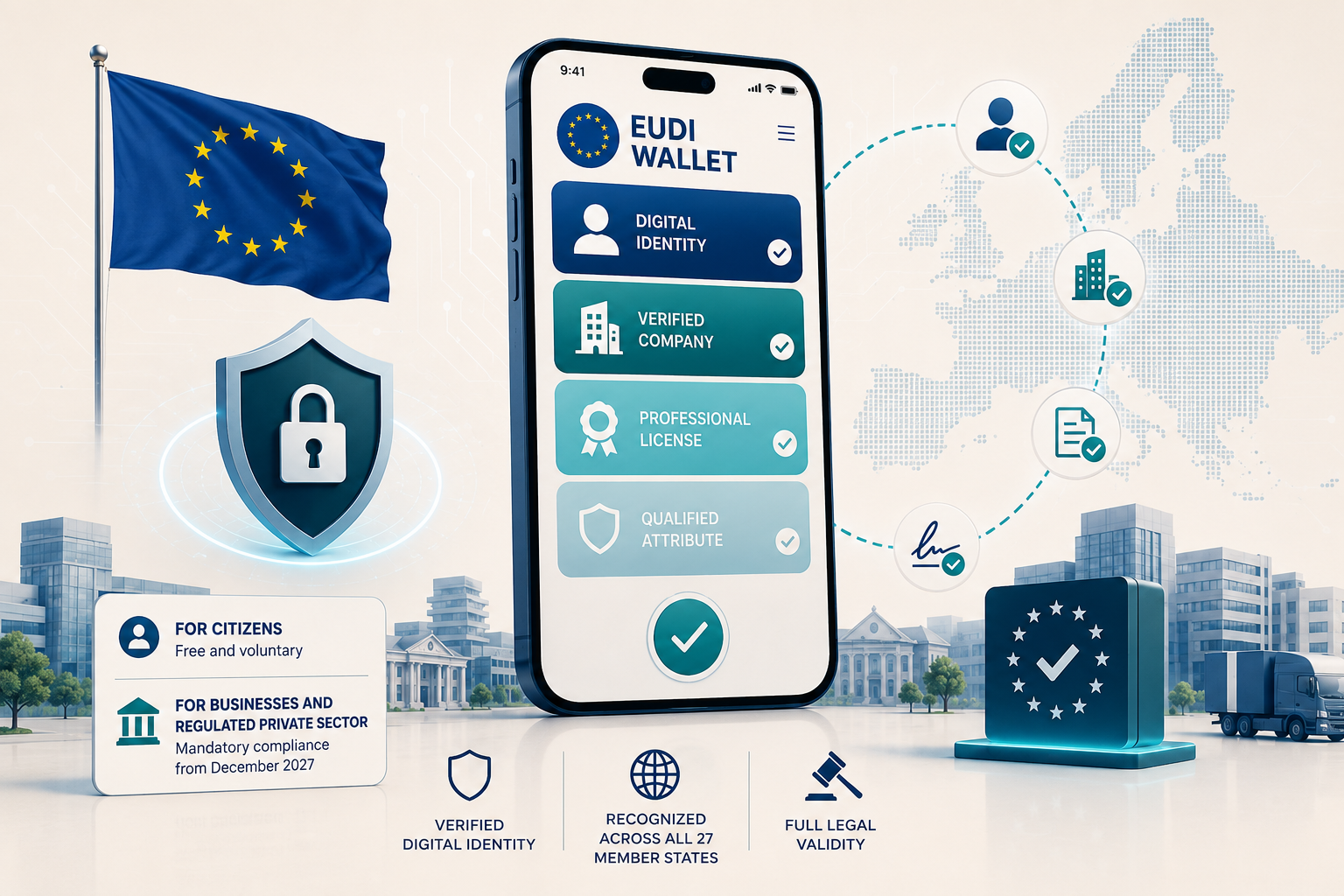
What Is the EUDI Wallet? The Complete Guide for Spanish Companies
The EUDI Wallet is the official digital identity wallet of the European Union, a mobile application that allows any citizen or company to store, manage and present their identity and verifiable credentials with full legal validity in all 27 Member States. It is free for natural persons, voluntary for citizens and mandatory for the regulated…
-

What Are Digital Trust Services and What Are They Used For?
Any executive or legal officer should know how to answer this: what exactly makes a digital document have the same legal value as a paper document? Not the fact of printing it and signing it with a pen (that is turning it into paper). But the fact that it remains in electronic format and is…
-
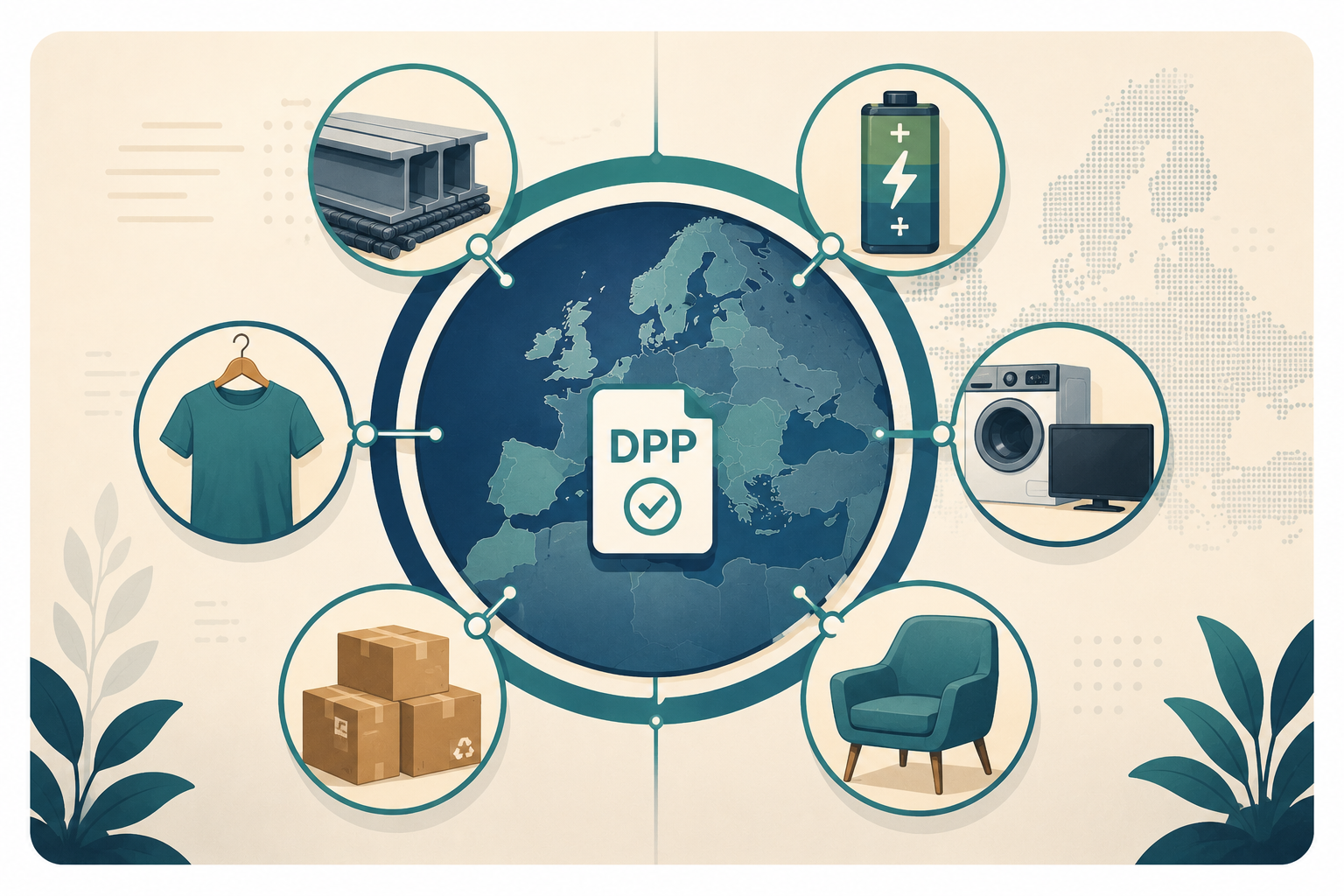
Which sectors will have DPP before 2030: the complete map
The Digital Product Passport is not arriving all at once. It is arriving sector by sector, with different deadlines, under different regulatory frameworks and with different content requirements. What all European DPPs have in common is the same underlying infrastructure: the European Commission’s Central Registry, unique identifiers, trust services that guarantee the authenticity of the…
-
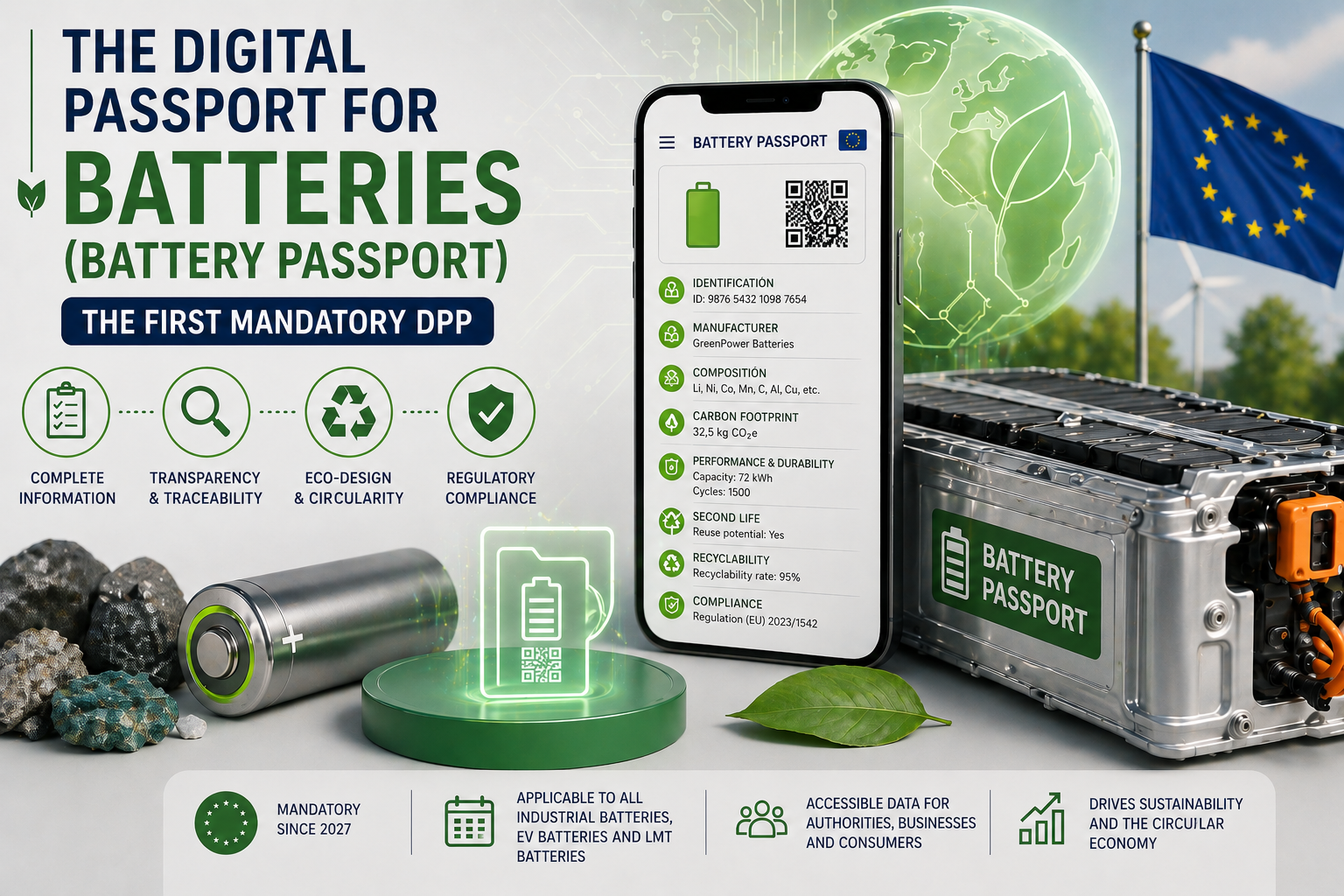
The Battery Passport: the first mandatory Digital Product Passport (DPP)
18 February 2027, due to the Battery Passport, is the date that any company manufacturing, importing, or distributing batteries for electric vehicles, light means of transport, or industrial applications should mark in red on its calendar. From that day onwards, none of those batteries may be placed on the European Union market without an operational…
-
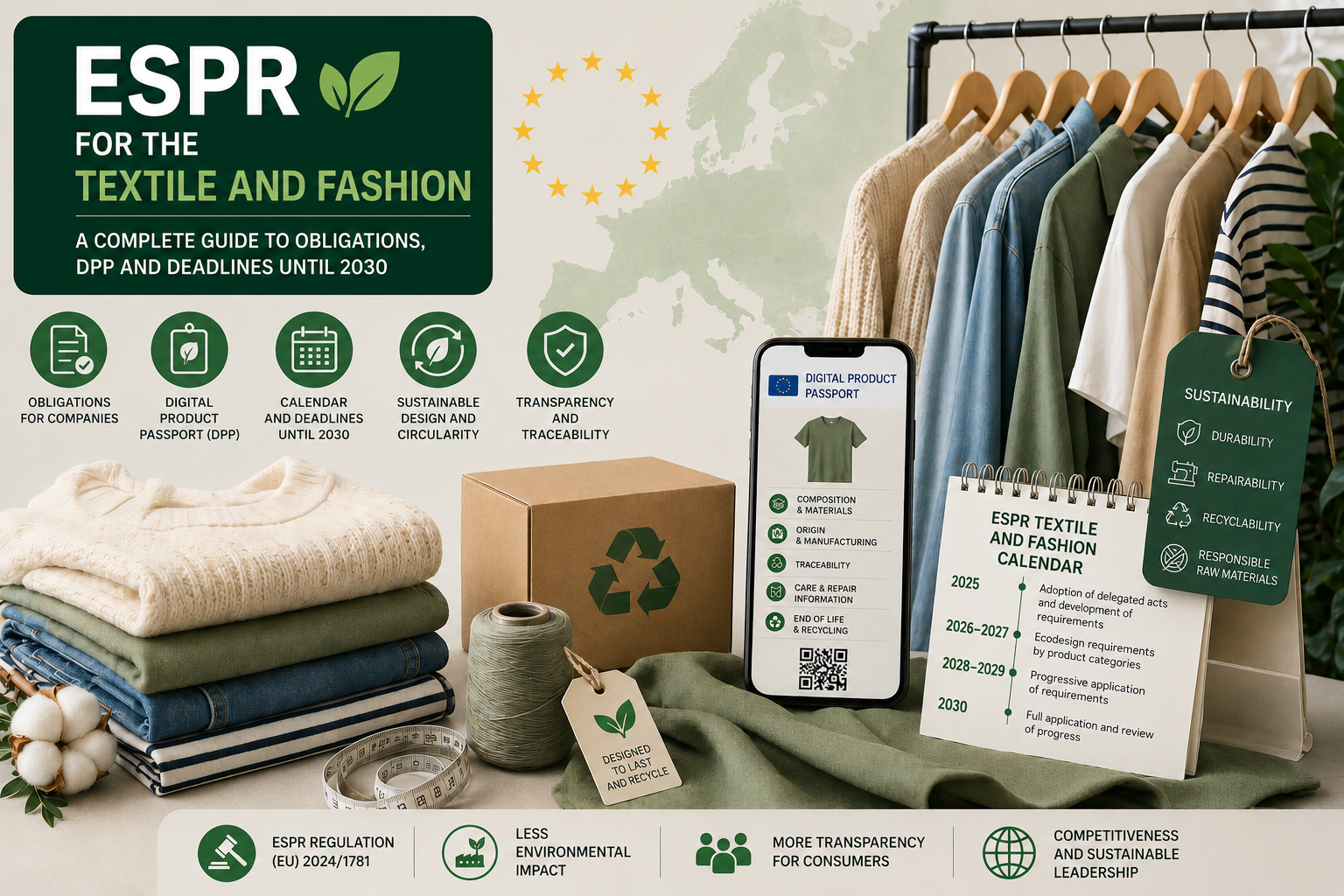
ESPR for the textile and fashion sector: complete guide to obligations, DPP, and deadlines up to 2030.
The fashion and textile sector has been at the centre of the sustainability debate for years. Regulation (EU) 2024/1781 (the ESPR) turns that debate into concrete legal obligations, with deadlines, sanctions, and a digital traceability system that will transform the way supply chains in the industry operate. The first restriction is already in force: from…
-
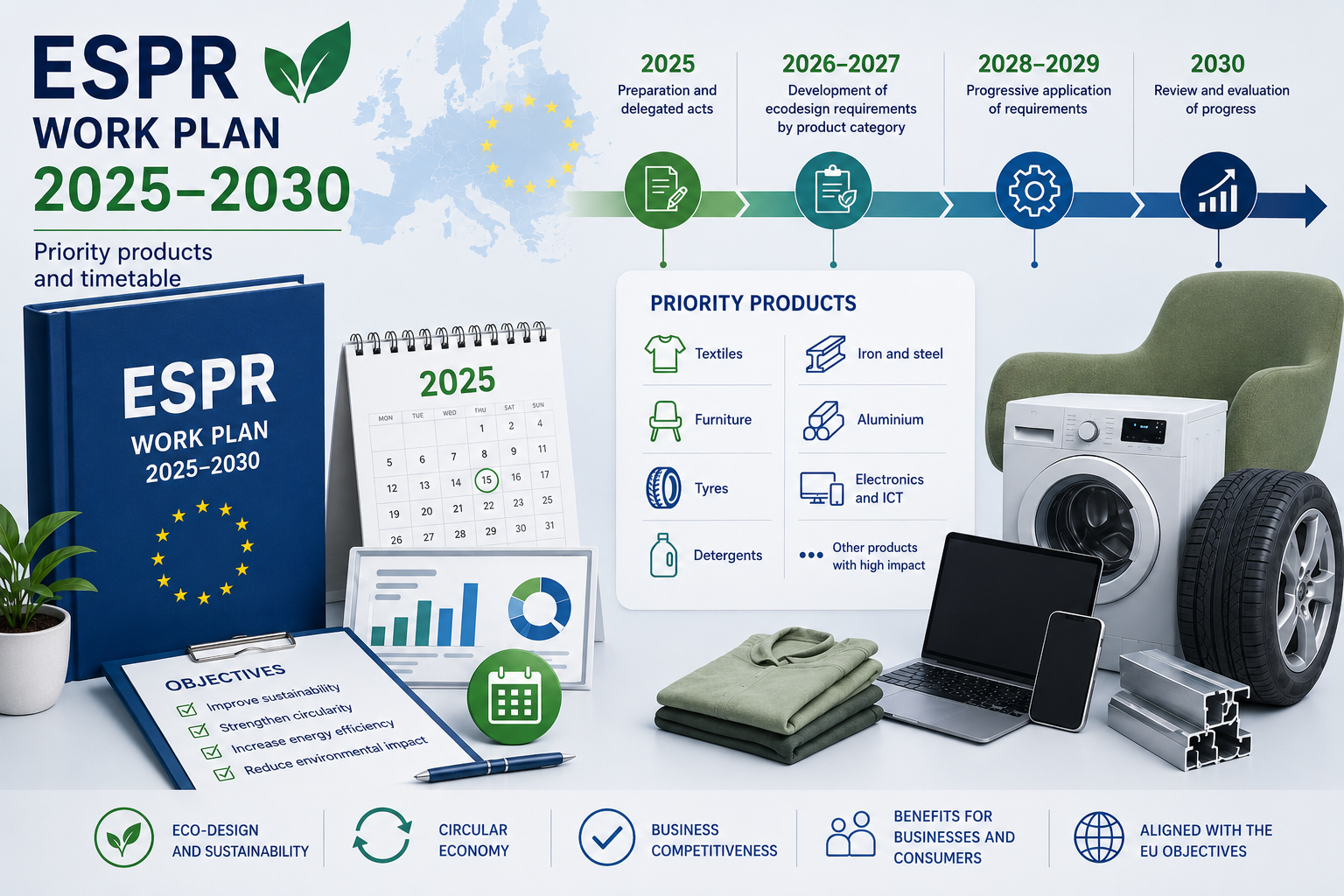
The ESPR 2025–2030 Working Plan: the priority products and the timeline every company should know
On 16 April 2025, the European Commission published the document that turns the ESPR from an abstract legal framework into a concrete timeline with names and dates. The Ecodesign and Energy Labelling Working Plan 2025–2030 sets out, sector by sector, which product groups will receive ecodesign requirements over the next five years, when the delegated…