
Tag: Cryptography
-
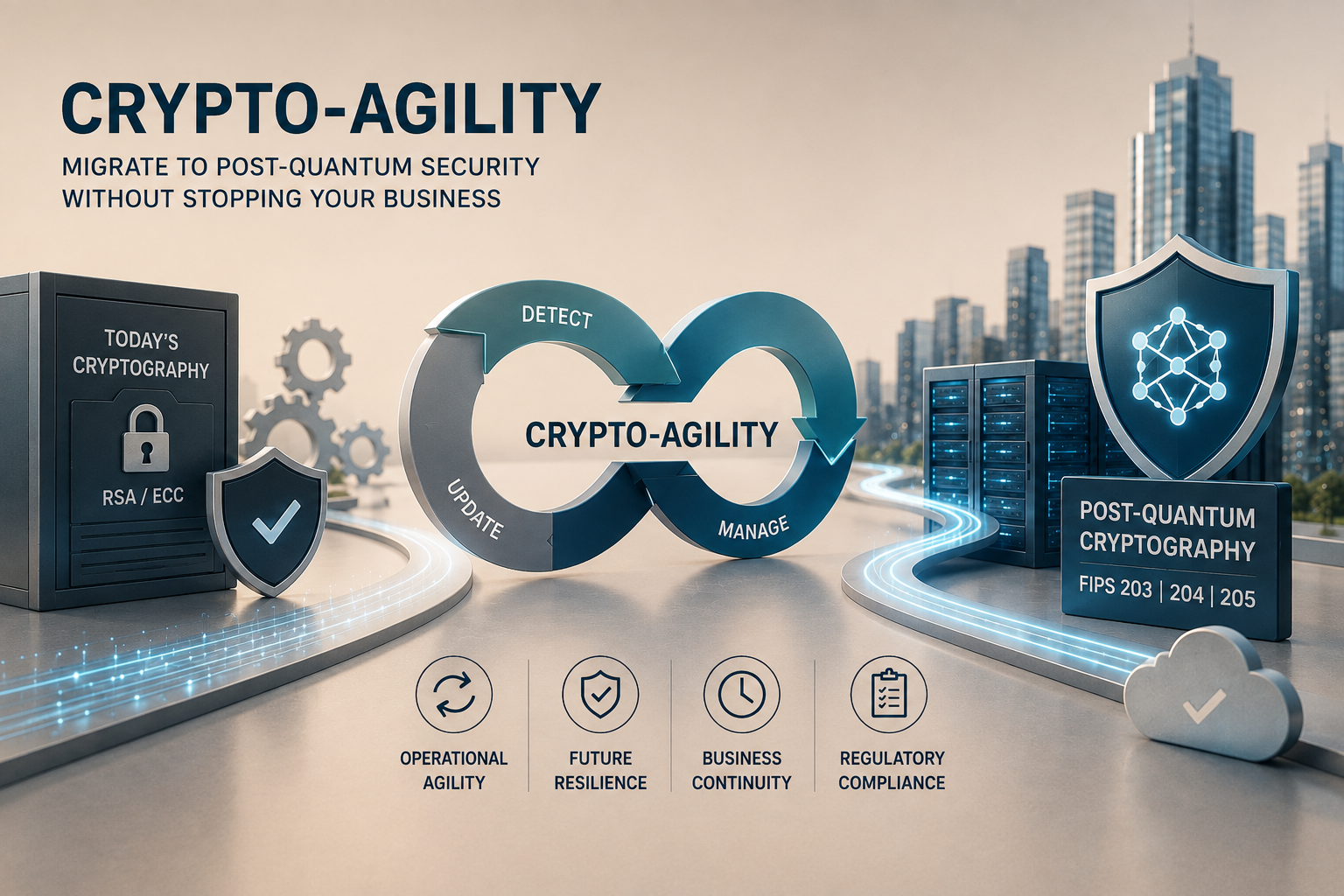
The Key Strategy for Migrating to Post-Quantum Security (PQC) Without Disrupting Business Operations
Crypto-agility is the ability of a security system to replace its cryptographic algorithms, keys and protocols quickly and automatically, without significantly altering the underlying infrastructure or disrupting business continuity. With the imminent arrival of post-quantum standards (FIPS 203, 204 and 205), crypto-agility is no longer a theoretical advantage and becomes an essential operational requirement for…
-
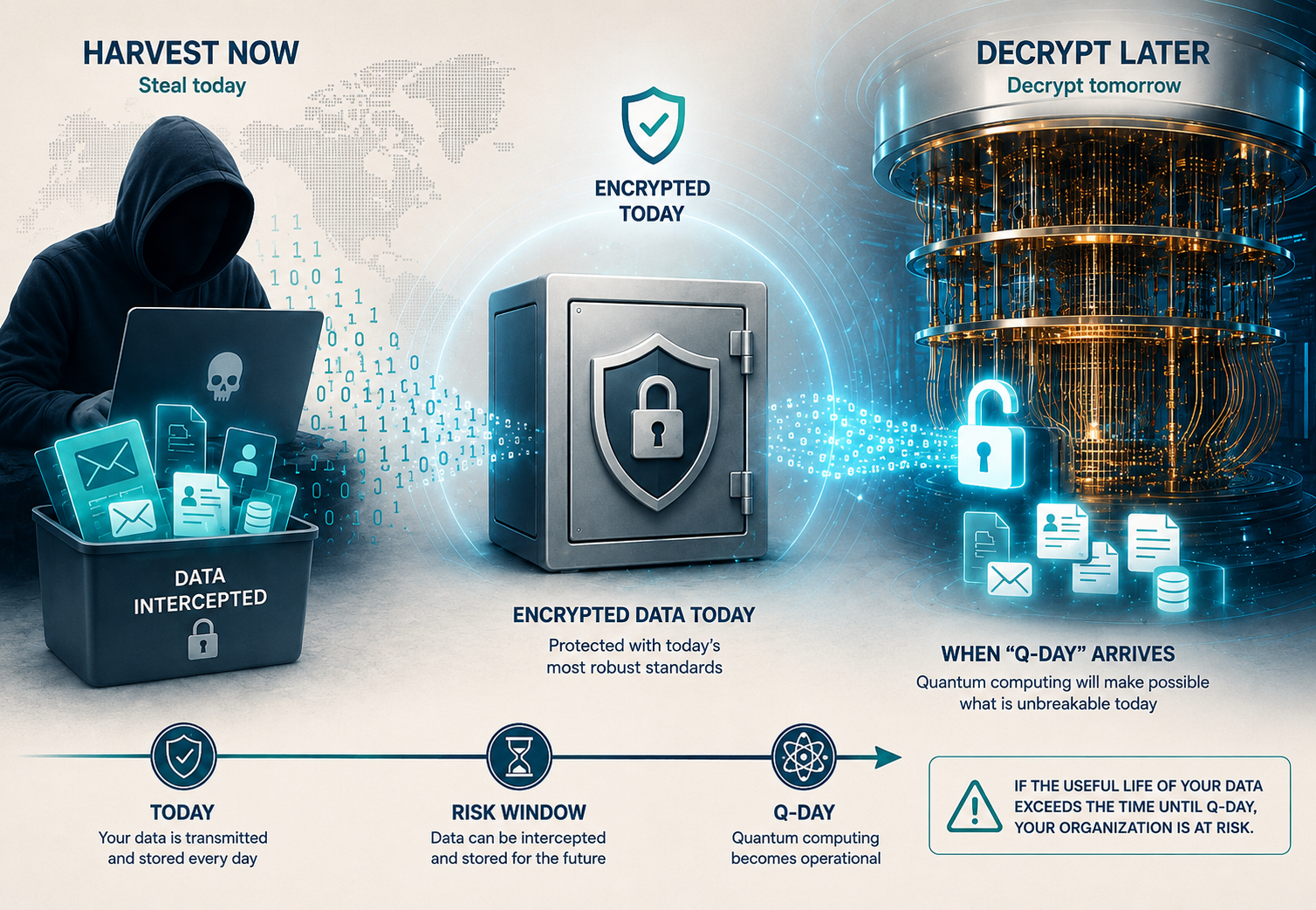
“Harvest Now, Decrypt Later” Threat: Is Your Encrypted Data Safe Today and for the Future?
Global cybersecurity is facing a temporal paradox: the data you protect today with the most robust standards may already be compromised by a technology that is not yet commercially viable. This phenomenon is known as “Harvest Now, Decrypt Later” (HNDL). For Chief Information Security Officers (CISOs), compliance officers and legal consultants, the question is no…
-
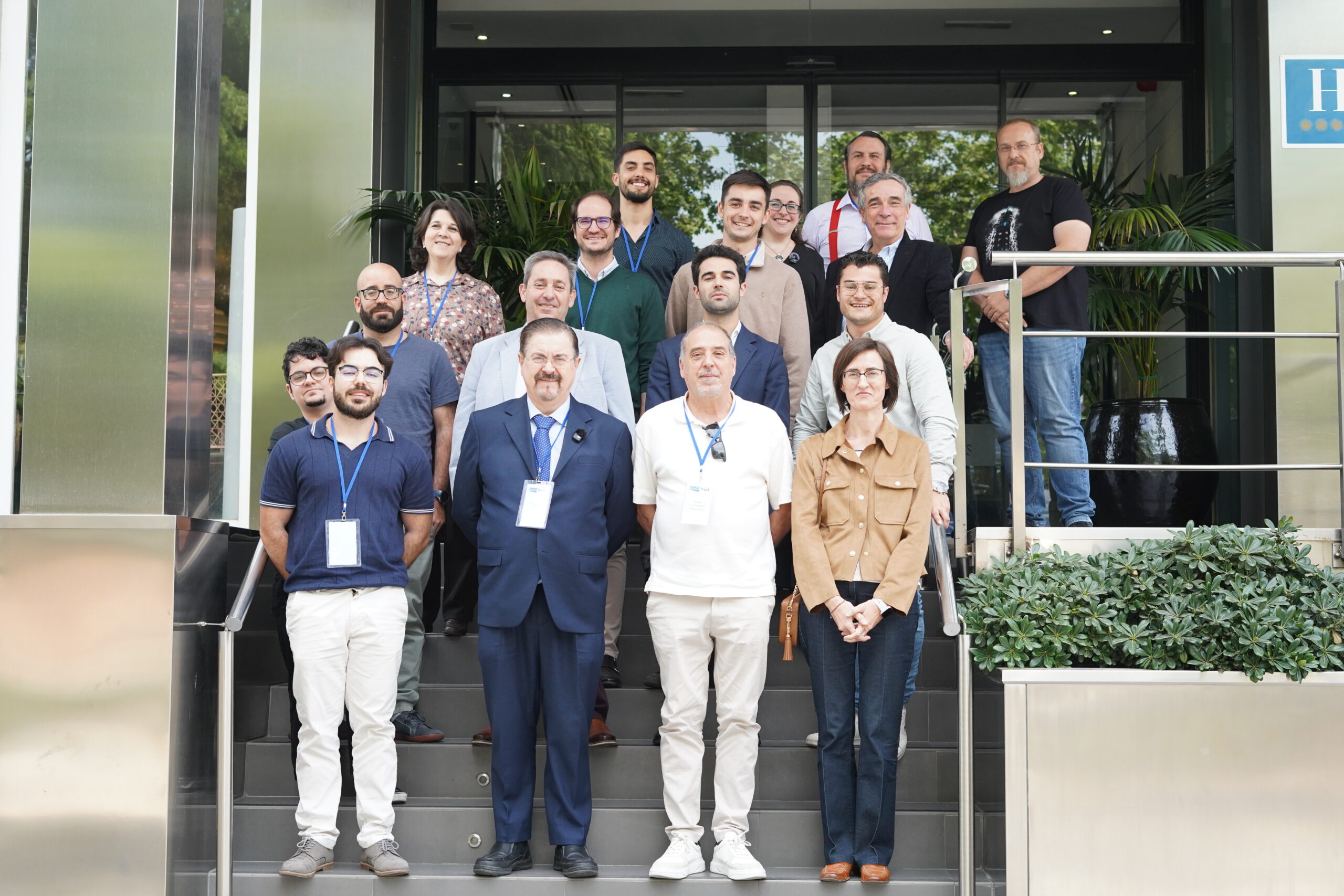
Chronicle of the Quantum Computing and Post-Quantum Cryptography Course in Madrid, 22–23 April 2026
On 22 and 23 April 2026, the Hotel Zenith Conde Orgaz in Madrid hosted the second edition of the Introduction to Quantum Computing and Post-Quantum Cryptography Course organized by EADTrust During two intensive working days, a group of professionals — lawyers, economists, financial directors, compliance officers, and engineers — built a Bloch sphere with their…
-

Cryptography Usage Audit: The First Step Toward Avoiding a Crypto-Apocalypse
The “Q-Day,” or as we call it at EADTrust: the “Cryptocalypse” (the moment when quantum computers will be able to derive private keys from public keys of conventional asymmetric cryptography systems within relatively short periods of time), is approaching inexorably. Faced with this horizon, many companies ask themselves: “Could this affect us? How do we…
-

Contracts as Processes in the Digital Age: Beyond Smart Contracts
In the digital age, the conception of contracts as mere written agreements is being superseded by a more advanced view that understands them as orchestrators of processes. This perspective, defended by the thesis put forward by CODEX (Stanford Law School) on computable contracts, stresses that contracts not only establish the framework and rules of the…