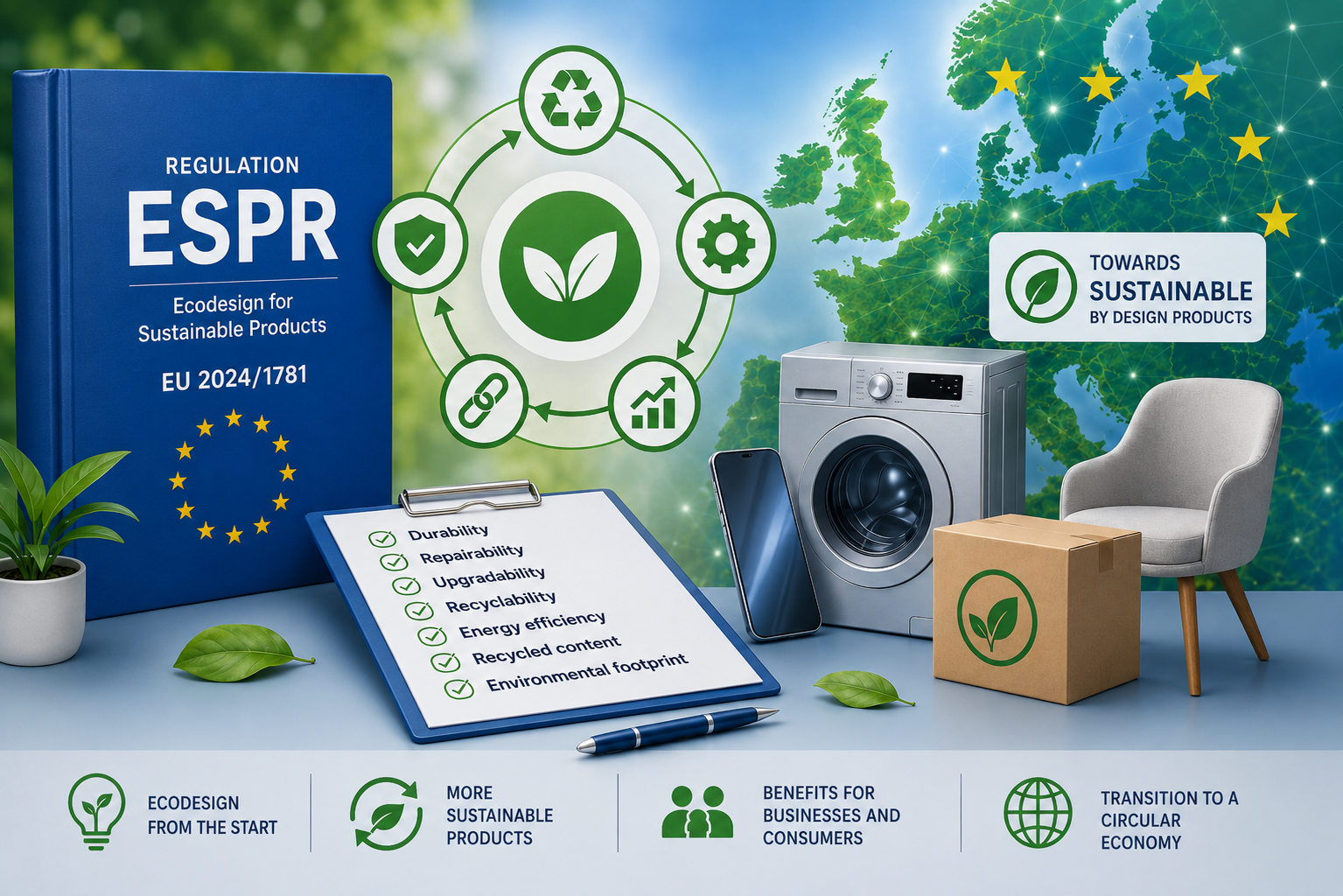
Pasaporte Digital de Producto. La definición oficial que da el artículo 2 del Reglamento (UE) 2024/1781 es técnica pero precisa: “un conjunto de datos específicos de un producto que incluye la información especificada en el acto delegado aplicable adoptado en virtud del artículo 4 y al que se puede acceder por medios electrónicos mediante un soporte de datos”.
Imagina que cada producto físico que se vende en Europa lleva consigo un historial completo: de dónde vienen sus materiales, qué huella de carbono tiene su fabricación, si se puede reparar y con qué piezas, qué hacer con él cuando llegue al fin de su vida útil.
EADTrust ¿Necesitas un certificado DPP? Solicítalo con EADTrust →No en un papel que nadie lee. En un registro digital vinculado al producto, accesible con un código QR, verificable por cualquier agente de la cadena: el consumidor que quiere saber qué compra, el reparador que necesita las especificaciones técnicas, la autoridad de vigilancia del mercado que comprueba el cumplimiento en tiempo real.
Pero lo que esa definición no dice directamente es que el DPP representa un cambio estructural en cómo el mercado europeo gestiona la información de producto. La era del PDF de especificaciones técnicas que se entrega una vez y nadie vuelve a mirar se está terminando.
Si fabricas o importas productos físicos en la Unión Europea, el DPP llegará a tu sector entre 2027 y 2030. Este artículo te explica exactamente qué es, cómo funciona, qué información incluye, quién está obligado a crearlo y qué infraestructura técnica necesitas para estar preparado.
Definiciones para entender el DPP
Pasaporte Digital de Producto (DPP)
Conjunto de datos específicos de un producto accesible por medios electrónicos mediante un soporte de datos, que incluye la información especificada en el acto delegado aplicable del ESPR. Instrumento central del Reglamento (UE) 2024/1781 para garantizar la trazabilidad y sostenibilidad del producto a lo largo de su ciclo de vida.
Soporte de datos
Símbolo de código de barras lineal, símbolo bidimensional u otro medio de identificación y captura automática de datos que puede ser leído por un dispositivo. Es la interfaz física entre el producto y su DPP digital, en la mayoría de casos, un código QR.
Identificador único de producto
Cadena única de caracteres para la identificación de un producto que facilita un enlace web al pasaporte digital del producto. Obligatorio en todos los DPPs, debe cumplir las normas ISO/IEC 15459.
Prestador de servicios de pasaporte digital de productos
Un Prestador DPP es un tercero independiente autorizado por el operador económico para tratar los datos del DPP y ponerlos a disposición de los operadores y agentes con derecho de acceso. Proporciona también la copia de seguridad obligatoria del pasaporte. Como EADTrust
DPP designer (diseñador del DPP)
Rol formalizado dentro de una empresa o contratado externamente, responsable de las decisiones de implementación técnica del DPP: tipo de pasaporte, identificadores, soporte de datos, arquitectura IT, derechos de acceso, longevidad y seguridad.
¿Para qué existe el Pasaporte Digital de Producto?
El DPP no es un capricho administrativo. Responde a un problema concreto: el mercado europeo mueve billones de euros en productos sobre los cuales ni los consumidores, ni los reparadores, ni los recicladores, ni las autoridades tienen acceso fácil a información relevante.
Newsletter DPP No te pierdas ningún acto delegado que afecte a tu sector Cada sector tendrá su propio calendario de obligaciones DPP. Te avisamos en cuanto salga publicado el que te afecta. Apuntarme a la newsletter →¿Qué materiales contiene este producto? ¿Se puede reparar? ¿Dónde están las instrucciones de desmontaje? ¿Qué porcentaje del material es reciclado? ¿Cuánta energía consume en fabricación, no solo en uso?
El considerando 32 del ESPR lo articula: se espera que el DPP ayude a los clientes a tomar decisiones informadas mejorando su acceso a información pertinente, permita a los operadores económicos (fabricantes, representantes autorizados, importadores, distribuidores y prestadores de servicios logísticos) acceder a datos pertinentes, introducirlos o actualizarlos, y permita a las autoridades nacionales competentes cumplir sus obligaciones.
En un solo instrumento: más transparencia para el consumidor, más eficiencia para la vigilancia del mercado, y más información disponible para que los actores de la economía circular (reparadores, reacondicionadores, recicladores) puedan hacer su trabajo.
Las directrices técnicas del CEN (CWA 18186:2025) identifican cuatro contextos de intercambio de información donde el DPP genera valor: la cadena de suministro en B2B, las ventas y el uso del producto en B2C, el ciclo de vida del producto (con actualizaciones tras reparaciones o reacondicionamiento) y el cumplimiento ante las autoridades del mercado europeo. No es un documento estático: es un registro vivo que puede actualizarse a lo largo de la vida del producto.
El DPP es el DNI del producto. No solo dice quién lo fabrica y cuánto consume. Dice de qué está hecho, cómo se repara, qué contiene, cómo se recicla. Y lo dice de forma verificable, estructurada y legible por máquina, no en un PDF que nadie revisa.
¿Cómo funciona el DPP? La arquitectura técnica
El DPP funciona sobre tres piezas técnicas que trabajan juntas: el soporte de datos físico que va en el producto, el sistema de datos descentralizado que almacena la información, y el Registro Central de la Comisión Europea que garantiza la trazabilidad y el acceso a las autoridades.
El soporte de datos: el código QR como puerta de entrada
Todo producto que requiera DPP llevará un soporte de datos físico: puede ser un código QR, un símbolo de código de barras bidimensional u otro medio de identificación y captura automática de datos que puede ser leído por un dispositivo. El soporte de datos debe estar presente en el propio producto, en su envase o en la documentación que lo acompañe, según lo que especifique el acto delegado para ese grupo de producto.
El soporte enlaza con un identificador único de producto: una cadena única de caracteres que identifica el producto y que proporciona un enlace web al pasaporte digital. La norma ISO/IEC 15459 es la referencia técnica para estos identificadores. En el caso del pasaporte de batería, el artículo 13(6) del Reglamento de Baterías ya establece expresamente que a partir del 18 de febrero de 2027 todas las pilas o baterías llevarán marcado un código QR que proporcionará acceso al pasaporte para baterías.
El sistema de datos: descentralizado, pero registrado centralmente
Una de las decisiones de diseño más importantes del ESPR es que el sistema de datos del DPP es descentralizado: los datos son almacenados por el propio operador económico (fabricante, importador o representante autorizado) o por un prestador de servicios de pasaporte digital contratado para ello, no por la Comisión Europea. Esto tiene una lógica de mercado: el fabricante de aluminio, el fabricante textil y el fabricante de baterías tienen necesidades de datos muy distintas. Un sistema centralizado único no puede responder con agilidad a esa diversidad.
Servicio EADTrust · eIDAS ¿Necesitas un sello electrónico cualificado (QSealC)? Para verificar tu identidad en el registro DPP necesitas un QSealC emitido por un prestador cualificado. EADTrust está incluido en la EU Trusted List. →Pero esa descentralización tiene un contrapeso: el Registro Central de la Comisión Europea. A más tardar el 19 de julio de 2026, la Comisión creará un registro digital en el que se almacenarán de manera segura los identificadores únicos de todos los productos que dispongan de DPP. Las autoridades de vigilancia del mercado y las autoridades aduaneras tendrán acceso directo a ese registro. Cuando alguien quiera despachar un producto a libre práctica en aduanas, tendrá que proporcionar el identificador único de registro, y las autoridades verificarán electrónicamente que ese identificador existe y corresponde a los datos declarados.
Los cuatro identificadores únicos obligatorios
Las directrices técnicas del CEN (CWA 18186:2025) concretan que el DPP debe tener cuatro identificadores únicos obligatorios según el artículo 12 del ESPR: el identificador de producto, el identificador de operador, el identificador de instalación donde se fabrica el producto, y el identificador de registro del DPP (este último es asignado por el sistema al registrarse en el Registro Central).
Modelo, lote o artículo: tres niveles de granularidad
Un DPP puede implementarse a tres niveles distintos dependiendo de lo que el acto delegado establezca para cada grupo de producto: a nivel de modelo (donde todos los productos de una misma serie comparten el mismo DPP), a nivel de lote (útil para trazabilidad en contextos B2B) o a nivel de artículo individual (el nivel más granular, donde cada unidad física tiene su propio identificador único). El nivel de granularidad que cada empresa necesita implementar lo determina el acto delegado de su grupo de producto.
¿Qué información incluye el DPP?
El Anexo III del ESPR establece el catálogo de datos que los actos delegados pueden especificar para cada DPP. No todos los DPPs incluirán todos estos datos: el contenido concreto depende del grupo de producto y lo fija el acto delegado correspondiente. Pero el catálogo es amplio y cubre dimensiones que la regulación anterior ignoraba sistemáticamente.
Entre los datos posibles del DPP figuran: información sobre el fabricante y el importador; la declaración de conformidad y la documentación técnica de cumplimiento; manuales de usuario, instrucciones y advertencias de seguridad; los códigos de mercancía (incluido el código TARIC); el número mundial de artículo comercial (GTIN); información relativa a la reparabilidad del producto y la disponibilidad de piezas de recambio; información sobre el contenido de materiales reciclados; instrucciones para el desmontaje y el fin de vida; la huella de carbono del ciclo de vida; la presencia de sustancias preocupantes; y datos sobre el estado de salud del producto que puedan ser relevantes para la reutilización o el reacondicionamiento.
Un aspecto crítico de diseño del DPP es el control de acceso diferenciado: no todos los datos son públicos. Los actos delegados especificarán qué información es accesible al público en general (sin necesidad de registro ni autenticación), qué información está reservada para las autoridades de vigilancia del mercado y aduanas, y qué información solo es accesible a operadores con un interés legítimo acreditado (como reparadores profesionales o recicladores).
En el pasaporte de batería, esta estructura tripartita ya está concretada en el Anexo XIII del Reglamento (UE) 2023/1542: información accesible al público en general, información accesible solo a organismos notificados y autoridades, e información accesible a cualquier persona física o jurídica con un interés legítimo. Es el modelo que previsiblemente seguirán los demás sectores.
¿Quién está obligado a crear el DPP?
La obligación de crear el DPP recae sobre el operador económico que introduce el producto en el mercado. Con la terminología del ecosistema regulatorio europeo de producto: el proveedor, en el sentido del Reglamento (UE) 2017/1369 (fabricante establecido en la Unión, representante autorizado del fabricante no establecido en la Unión, o importador).
Esto tiene consecuencias directas para las empresas que importan productos de fabricantes no establecidos en la UE. Si el fabricante chino o vietnamita no tiene representante autorizado en Europa, el importador español que introduce el producto en el mercado es quien debe crear el DPP, gestionar sus datos, garantizar su actualización durante toda la vida útil del producto y asegurar la copia de seguridad a través de un prestador de servicios de DPP independiente.
El ESPR es explícito sobre la obligación de copia de seguridad: al introducir el producto en el mercado, el operador económico pondrá a disposición una copia de seguridad del DPP a través de un prestador de servicios de pasaporte digital de productos que sea un tercero independiente. El objetivo es garantizar que, incluso si el fabricante quiebra o cesa su actividad en la Unión, el DPP del producto siga siendo accesible durante el período especificado en el acto delegado.
A lo largo del ciclo de vida del producto, otros operadores pueden actualizar partes específicas del DPP. Si una batería es reparada o reacondicionada, la responsabilidad del cumplimiento pasa al operador que introduce el producto renovado en el mercado, que deberá crear un nuevo pasaporte vinculado al original.
¿Cuándo es obligatorio el DPP? El calendario sector por sector
El DPP no llega de golpe. Llega sector por sector, a medida que la Comisión Europea adopta los actos delegados del ESPR para cada grupo de producto. El plazo mínimo entre la adopción de un acto delegado y su fecha de aplicación es de dieciocho meses. Eso significa que la obligatoriedad del DPP para un sector llega como mínimo dieciocho meses después de que se adopte el acto delegado correspondiente.
El primer DPP obligatorio: el pasaporte de batería el 18 de febrero de 2027
El primer DPP obligatorio en el ecosistema europeo no viene del ESPR, sino del Reglamento (UE) 2023/1542 de Baterías, que establece en su artículo 77 que a partir del 18 de febrero de 2027 todas las baterías para medios de transporte ligeros, todas las baterías industriales con una capacidad superior a 2 kWh y todas las baterías para vehículos eléctricos introducidas en el mercado o puestas en servicio dispondrán de un pasaporte para baterías. Sin pasaporte, el producto no puede comercializarse en la UE.
El pasaporte de batería ya tiene definido su contenido en el Anexo XIII del Reglamento de Baterías: información pública como la composición de la batería, el porcentaje de contenido reciclado en materiales clave (cobalto, litio, níquel, plomo), la declaración de huella de carbono, el estado de salud y la capacidad restante en baterías usadas, instrucciones de desmontaje y fin de vida, y los datos de los operadores económicos responsables.
El calendario ESPR: desde 2026 hasta 2030
19 de julio de 2026: el Registro Central del DPP de la Comisión Europea entra en operación. A partir de esa fecha, los DPPs pueden comenzar a registrarse.
~2027/2028: primeros DPPs sectoriales bajo el ESPR, para hierro y acero, dieciocho meses después de la adopción del acto delegado previsto para ~2026.
~2028/2029: DPP obligatorio para aluminio, textiles y prendas de vestir, neumáticos y los productos incluidos en la medida horizontal de reparabilidad para electrónica y pequeños electrodomésticos.
~2029/2030: DPP obligatorio para muebles.
~2030/2031: DPP obligatorio para colchones y para los productos cubiertos por la medida horizontal de reciclabilidad y contenido reciclado para EEE.
Para los productos con etiqueta energética registrados en EPREL, el DPP tiene un tratamiento diferenciado: el ESPR establece que la Comisión podrá eximir a determinados grupos de productos del requisito de disponer de DPP si otras disposiciones del Derecho de la Unión prevén un sistema de información digital que cumpla los objetivos equivalentes.
EPREL actúa como sistema equivalente para los productos de etiqueta energética, lo que no exime de cumplir los requisitos de etiquetado y verificación, pero sí puede evitar la duplicidad de registros.
La infraestructura técnica del DPP: lo que hay que preparar antes del acto delegado
Uno de los errores más frecuentes que cometen las empresas cuando leen sobre el DPP es pensar que prepararse para él consiste en “generar un QR y enlazarlo a una página web”. La realidad es más compleja, y entenderla bien es lo que separa a las empresas que llegarán a tiempo de las que no.
Arquitectura de datos: el problema real
El DPP no es un documento que se crea en el momento de la venta. Es un sistema de captura, gestión y publicación de datos que debe estar en funcionamiento antes de que el primer producto entre en el mercado.
Eso implica decidir, antes de que el acto delegado entre en aplicación, al menos seis cosas: qué datos hay que recoger y en qué punto de la cadena de producción, cómo se almacenan y con qué formato interoperable, quién tiene derecho a acceder a qué información y bajo qué condiciones de autenticación, cómo se garantiza la disponibilidad durante toda la vida útil del producto (potencialmente décadas), cómo se gestiona la copia de seguridad obligatoria a través de un tercero independiente, y cómo se registran los identificadores únicos en el Registro Central de la Comisión.
Las directrices CEN (CWA 18186:2025) identifican quince decisiones de diseño distintas que debe tomar el responsable de implementar el DPP en una empresa: el tipo de pasaporte (modelo, lote, artículo), los identificadores a utilizar, el tipo de soporte de datos, el etiquetado físico, el acceso al portal de información en línea, la gestión del cambio de idioma, la configuración del contenido del portal, la arquitectura IT, el cálculo de la información, la capacidad de búsqueda, la gestión del intercambio de información, la trazabilidad, la longevidad del acceso, la disponibilidad, la seguridad y la confianza en la información.
No es un sprint de dos semanas. Es un proyecto de diseño e implementación que en sectores con cadenas de suministro complejas puede llevar dos o tres años.
Seguridad, autenticación e integridad: el rol de los servicios de confianza
El artículo 10(1) del ESPR es explícito: el diseño técnico y el funcionamiento del DPP deben garantizar la autenticación, la fiabilidad y la integridad de los datos. Los pasaportes digitales de productos se diseñarán y funcionarán de manera que se garantice un elevado nivel de seguridad y privacidad y se evite el fraude.
Eso no es retórica. Significa que quienes tienen derecho a introducir datos en el DPP deben poder ser identificados y autenticados. Que las actualizaciones del pasaporte deben ser trazables y atribuibles. Que los datos que el sistema exporta hacia las APIs de las autoridades de vigilancia deben tener integridad garantizable. Y que el prestador de servicios de DPP independiente que guarda la copia de seguridad no puede vender, reutilizar o tratar esos datos más allá de lo necesario para la prestación del servicio contratado.
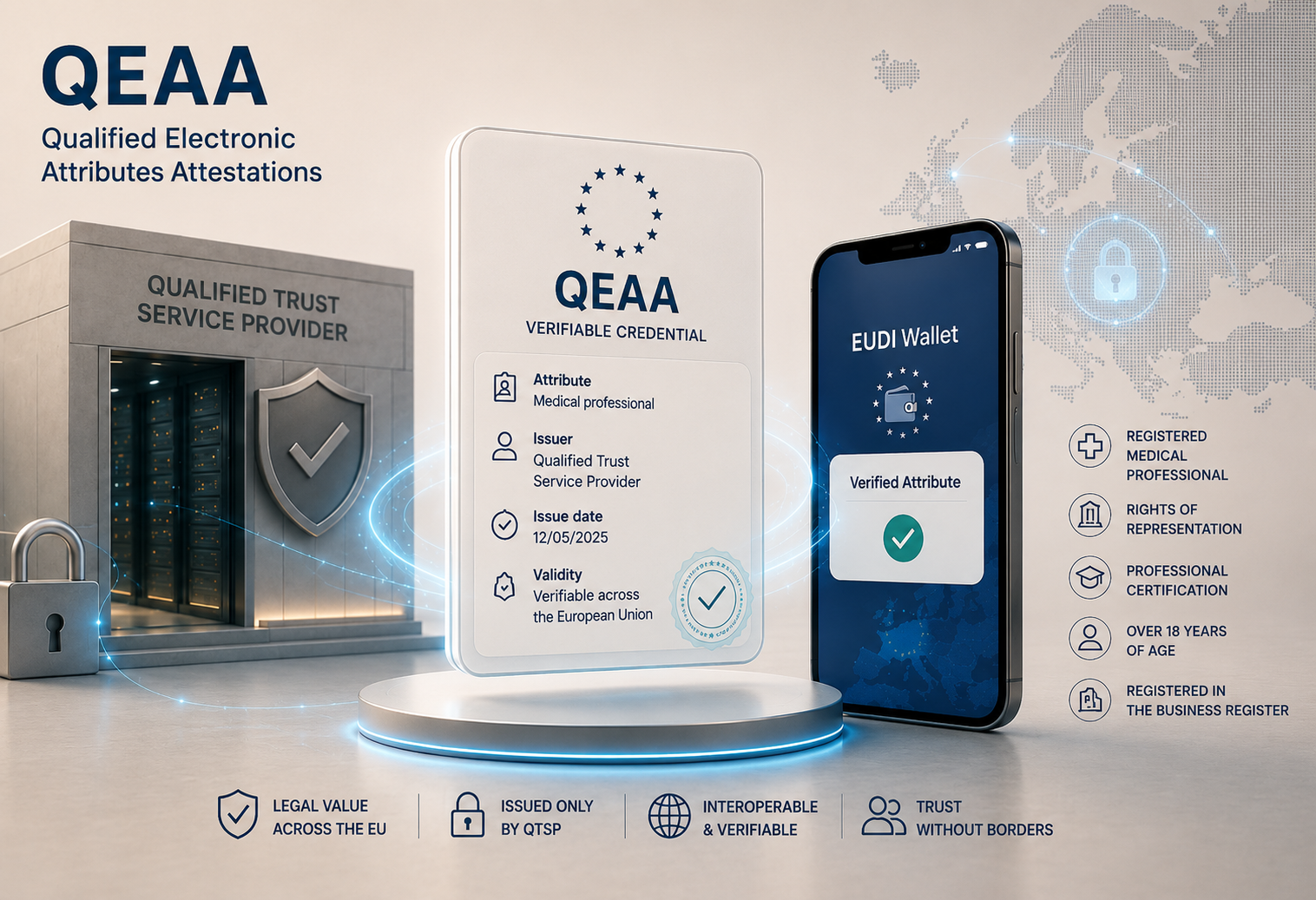
Aquí es donde entran los servicios de confianza eIDAS. El marco de confianza que garantiza que un operador económico es quien dice ser cuando introduce datos en un DPP puede ser el mismo que ya opera en EPREL para la verificación de proveedores: certificados cualificados emitidos por prestadores cualificados de servicios de confianza (QTSPs) incluidos en la EU Trusted List.
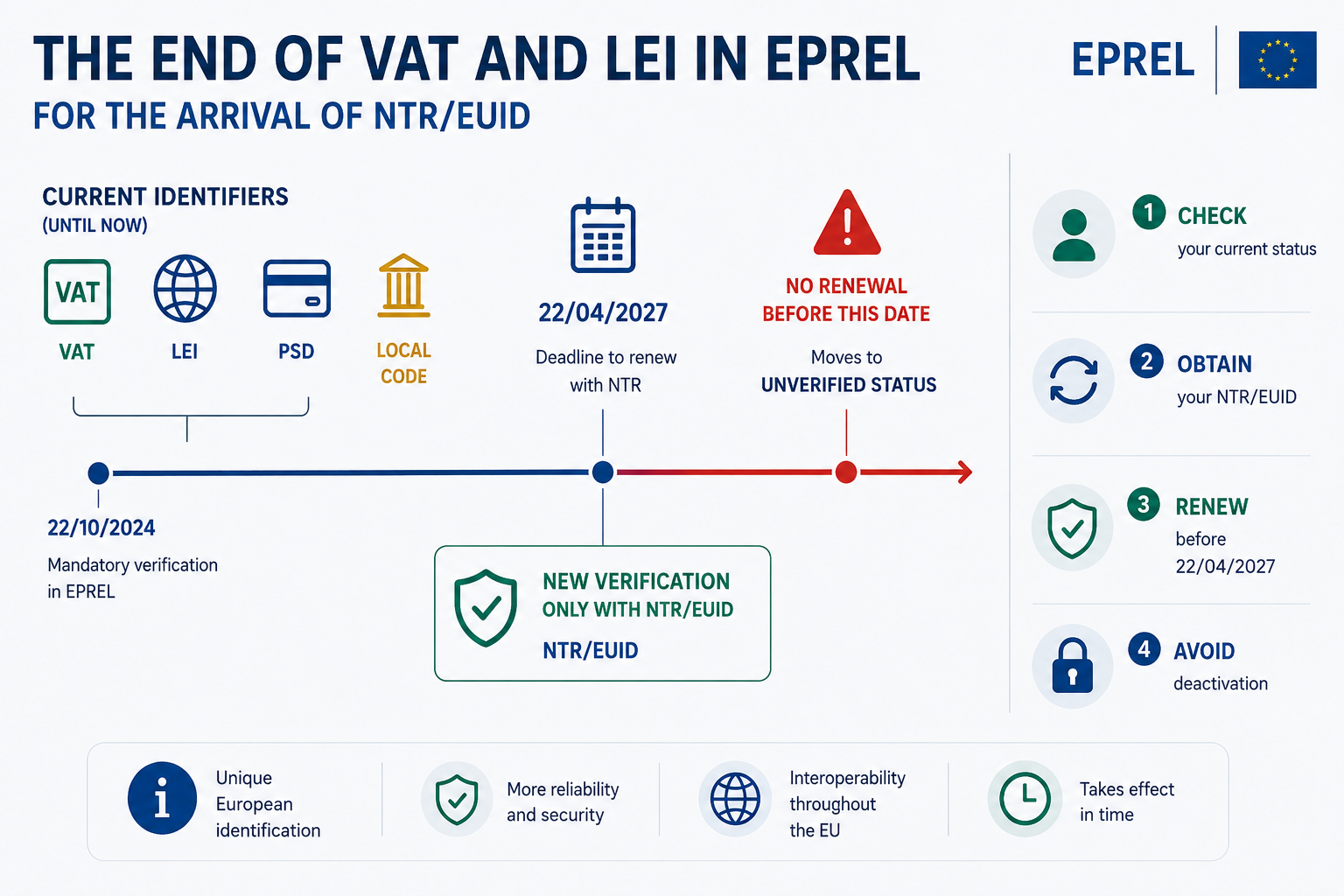
En EPREL, esa infraestructura ya está en funcionamiento mediante el sello electrónico cualificado con NTR. Para el DPP, la lógica es idéntica: los operadores que interactúen con los sistemas del DPP (creando registros, actualizando datos, accediendo a información restringida) necesitarán certificados digitales cualificados para que sus acciones sean verificables, auténticas e íntegras.
La infraestructura de confianza que habilita el DPP no se improvisa cuando llega el acto delegado. Las empresas que ya operan en EPREL con sello cualificado NTR están un paso adelante: tienen la lógica y los certificados. Lo que viene es ampliar esa arquitectura al ciclo de vida completo del producto.
DPP bajo el ESPR y DPP bajo la regulación de baterías: diferencias clave
El DPP no es exclusivo del ESPR. La Guía CEN (CWA 18186:2025) enumera otros reglamentos europeos que ya establecen DPPs o que lo harán próximamente: el Reglamento de Baterías (2023/1542), el nuevo Reglamento de Productos de Construcción (2024/3110), el Reglamento de Seguridad de Juguetes, y potencialmente el Reglamento de Productos Químicos.
En todos los casos, el ESPR actúa como marco técnico de referencia: el artículo 78 del Reglamento de Baterías establece expresamente que el diseño técnico del pasaporte de batería será totalmente interoperable con otros pasaportes digitales de productos requeridos por el Derecho de la Unión sobre diseño ecológico.
Lo que varía entre un sector y otro no es la lógica del instrumento sino su contenido, sus plazos, el nivel de granularidad y los derechos de acceso. El pasaporte de batería ya tiene toda esa información concretada en el Reglamento. Los pasaportes del ESPR para textiles, aluminio, muebles o neumáticos la tendrán cuando se adopten los actos delegados correspondientes. La arquitectura técnica de base (identificadores únicos, soporte de datos, registro central, servicios de confianza) es la misma en todos los casos.
| Table | ||
| Aspecto | DPP bajo el ESPR | Pasaporte de Batería (Reg. 2023/1542) |
| Base legal | Reglamento (UE) 2024/1781, Arts. 9-15 | Reglamento (UE) 2023/1542, Arts. 77-78 |
| Primer plazo obligatorio | ~2027/2028 para hierro y acero | 18 febrero 2027 para baterías EV, LMT e industriales >2kWh |
| Contenido | Definido por cada acto delegado del ESPR | Definido en el Anexo XIII del Reg. Baterías |
| Registro central | Registro Central DPP operativo en julio 2026 | Los identificadores de baterías también se cargan en el Registro Central |
| Interoperabilidad | Marco de referencia técnico | Totalmente interoperable con el DPP del ESPR |
| Sistema de datos | Descentralizado, gestionado por el operador económico | Descentralizado, gestionado por el operador económico |
| Copia de seguridad | Obligatoria mediante tercero independiente | Disponibilidad garantizada incluso tras cese de actividad |
Lo que el DPP no es
Antes de cerrar, vale la pena nombrar tres malentendidos frecuentes.
El DPP no es un certificado de conformidad. El despacho a libre práctica en aduanas con DPP no se considerará prueba del cumplimiento del Reglamento o del Derecho de la Unión. El DPP registra información y la hace accesible; no sustituye la declaración de conformidad ni el marcado CE cuando proceda.
El DPP no es estático. Cuando se cree un nuevo pasaporte digital para un producto que ya dispone de uno (por ejemplo, porque ha sido reacondicionado), el nuevo pasaporte estará vinculado al pasaporte original. El sistema está diseñado para capturar eventos a lo largo del ciclo de vida, no solo en el momento de la introducción en el mercado. El DPP no sustituye a EPREL para los productos con etiqueta energética.
La Comisión puede eximir de DPP adicional a los grupos de productos que ya cuentan con un sistema digital equivalente. Para los productos en EPREL, esa exención es probable pero no automática: depende de que la Comisión concluya que EPREL proporciona la información necesaria para ese grupo específico.
Preguntas frecuentes (FaQ) sobre el DPP
Depende de tu sector. El primer DPP obligatorio es el pasaporte de batería, exigible desde el 18 de febrero de 2027 para baterías para vehículos eléctricos, medios de transporte ligeros e industriales con más de 2 kWh. Para los sectores del ESPR (hierro y acero, aluminio, textiles, neumáticos, muebles, colchones) los plazos van desde 2027/2028 hasta 2030/2031, dependiendo de cuándo la Comisión adopte el acto delegado correspondiente. El Registro Central del DPP estará operativo en julio de 2026.
No. Para los productos con etiqueta energética registrados en EPREL, el ESPR prevé la posibilidad de que la Comisión los exima de un DPP adicional si considera que EPREL ya cumple los objetivos de información equivalentes. Pero esa exención debe ser declarada expresamente en el acto delegado de cada grupo de producto; no es automática. Las obligaciones de registro en EPREL y verificación con sello cualificado NTR se mantienen con independencia del DPP.
Los actos delegados especificarán, para cada grupo de producto, qué agentes pueden crear o actualizar datos en el DPP y qué tipo de datos pueden introducir o actualizar. En general, el operador que introduce el producto en el mercado es responsable de la exactitud y actualización de los datos. Para baterías reacondicionadas, la responsabilidad pasa al operador que introduce el producto renovado en el mercado, con un nuevo pasaporte vinculado al original.
El ESPR establece que el DPP debe permanecer disponible durante el período especificado en el acto delegado, incluso después de procedimientos de insolvencia, liquidación o cese de actividad del operador económico responsable. Por eso la copia de seguridad a través de un prestador de servicios independiente es obligatoria desde el momento de la introducción del producto en el mercado.
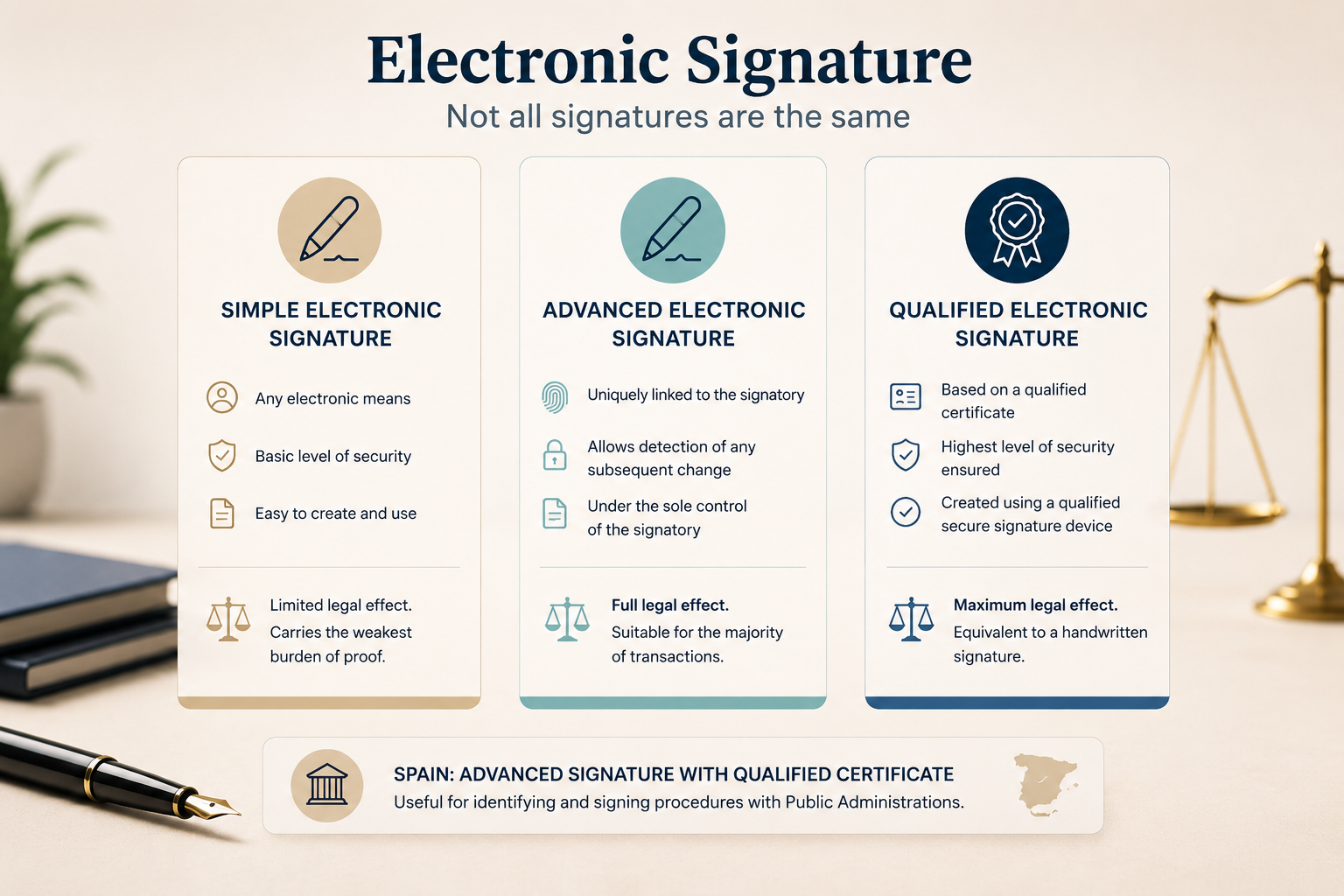
El artículo 11 del ESPR exige que el diseño técnico del DPP garantice la autenticación, la fiabilidad y la integridad de los datos, con un elevado nivel de seguridad y privacidad para evitar el fraude. Los servicios de confianza cualificados bajo el marco eIDAS (sellos electrónicos cualificados, firmas electrónicas cualificadas, marcas de tiempo cualificadas) son el mecanismo regulatorio previsto para cumplir esas garantías. Sin ellos, los datos del DPP no tienen la verificabilidad que el sistema exige para que sea jurídicamente útil para autoridades, reparadores y recicladores.
El DPP necesita servicios de confianza eIDAS, trabajo de EADTrust
El DPP no es solo una cuestión de datos. Es una cuestión de confianza verificable: quién introduce cada dato, cuándo, con qué autorización, y cómo se garantiza que nadie lo ha alterado. Esas garantías se construyen sobre la infraestructura de servicios de confianza cualificados que el marco eIDAS ha estado desarrollando durante los últimos diez años, y que el ecosistema EPREL ya aplica a la verificación de proveedores con sello cualificado NTR.
En EADTrust somos prestador cualificado de servicios de confianza (QTSP) incluido en la EU Trusted List. Emitimos los certificados cualificados que hoy permiten a fabricantes e importadores verificarse en EPREL, y estamos preparando los servicios de confianza que el DPP va a necesitar: sellos electrónicos cualificados para la autenticación de datos, marcas de tiempo cualificadas para la trazabilidad de eventos en el ciclo de vida, y servicios de archivo cualificado para garantizar la disponibilidad a largo plazo que el Reglamento exige.